Garage Doors in Toronto, OntarioThe bang you heardat seven this morning.
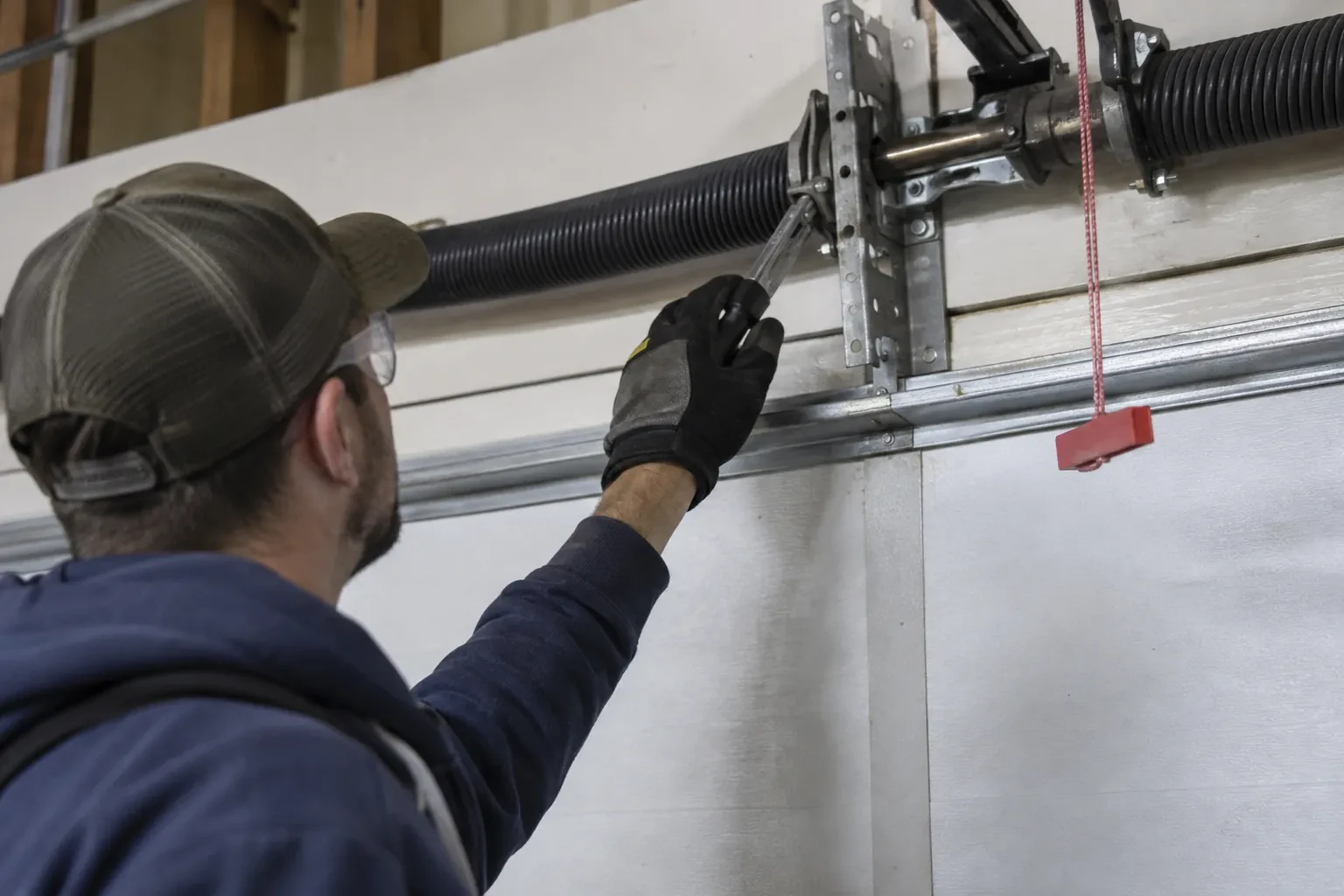
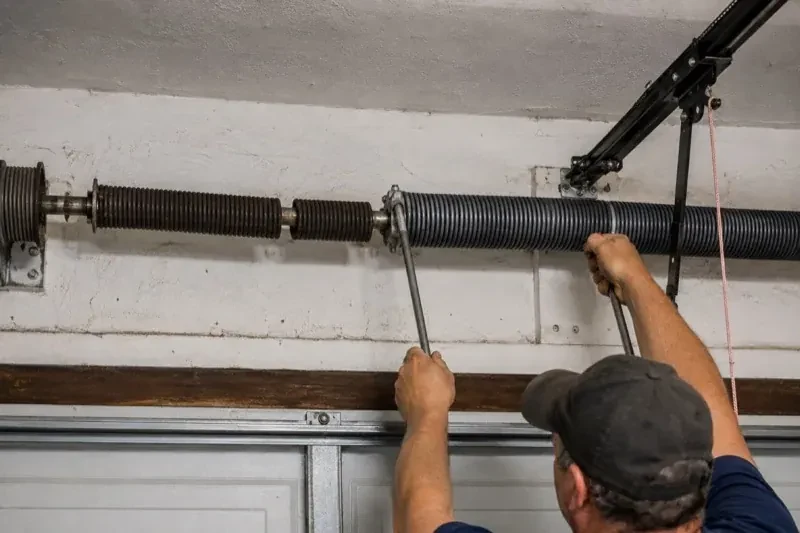
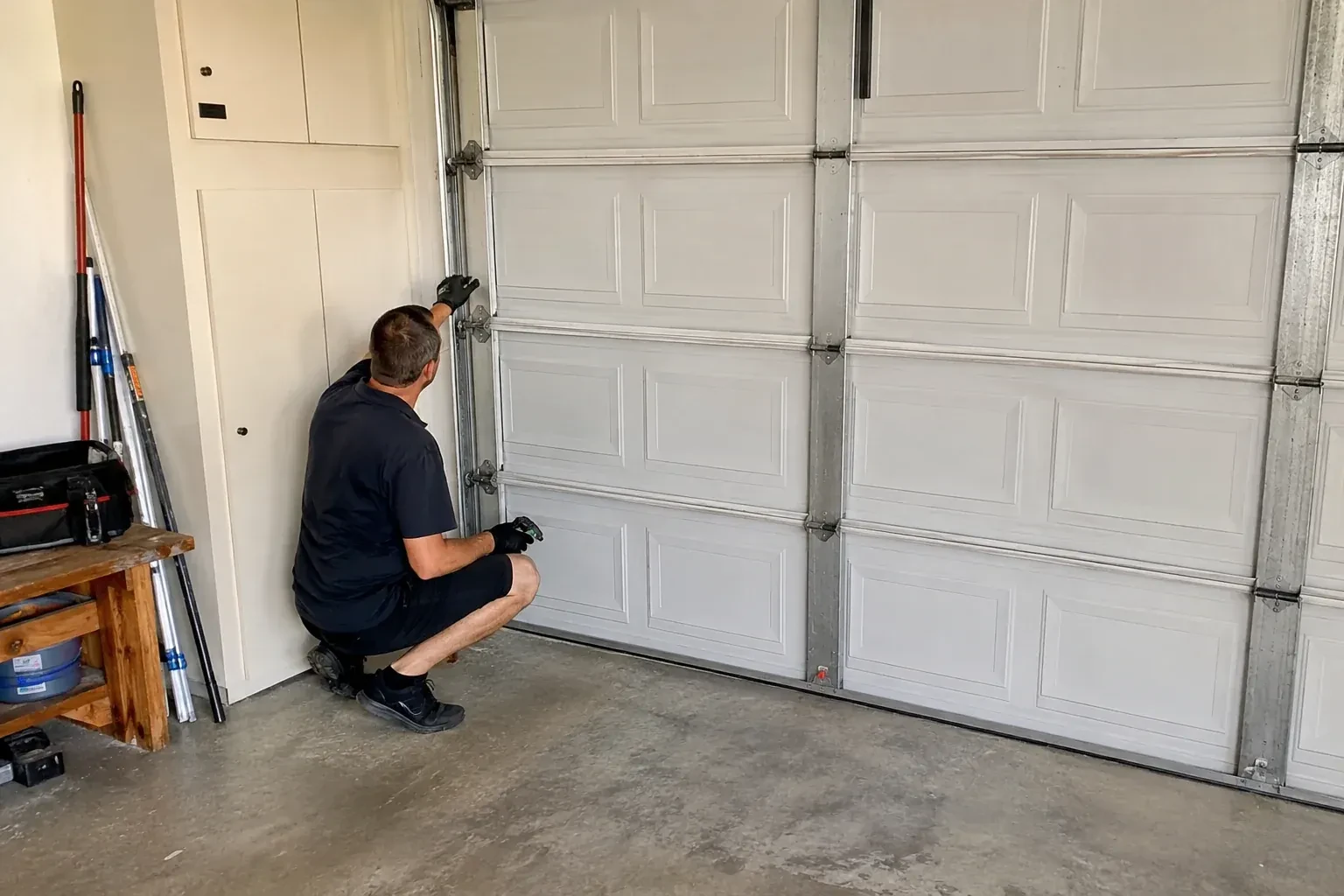
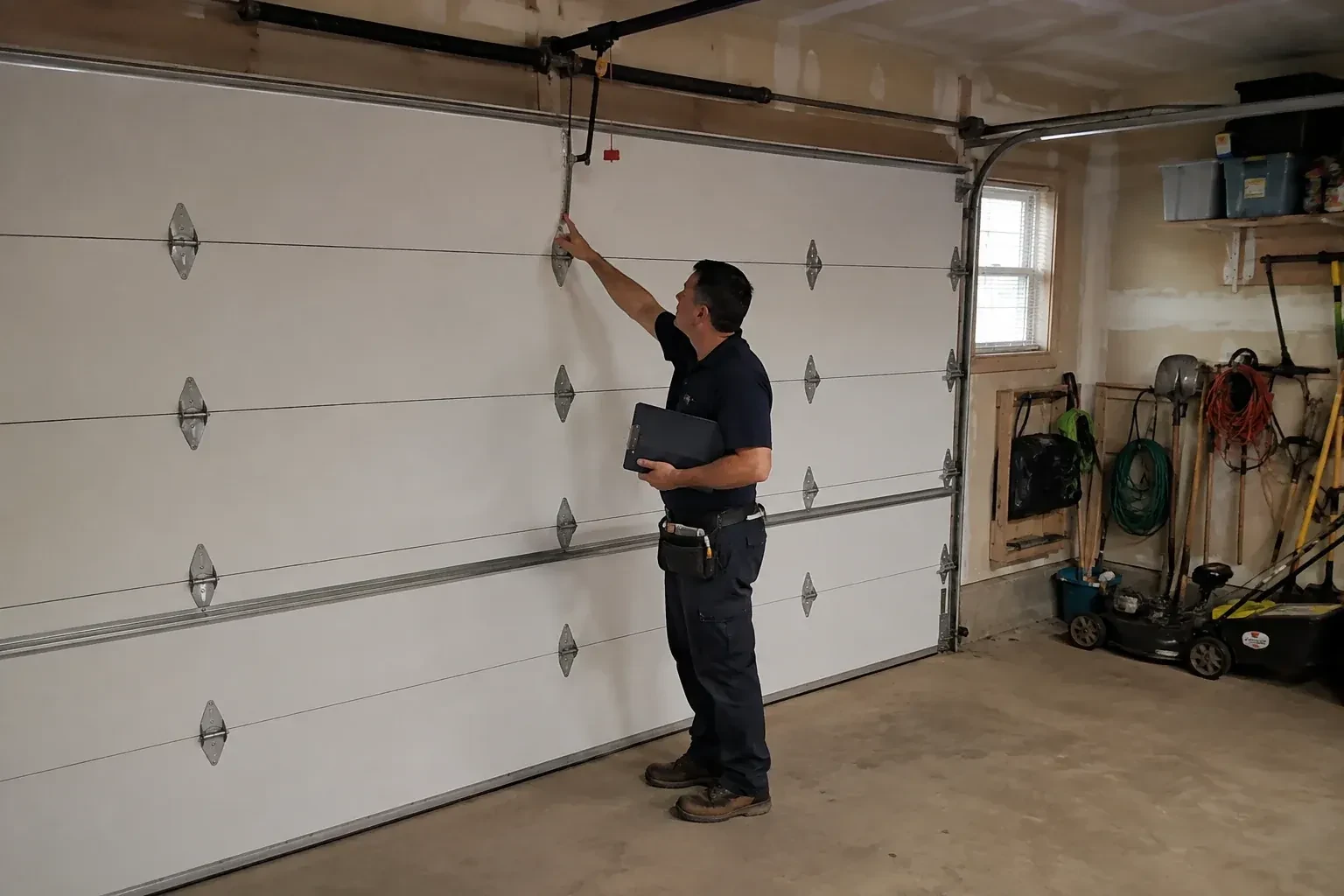
A torsion spring letting go sounds like something fell in the garage, and then the door refuses to lift. If that happened in Toronto today, we bring the matching spring, replace it as a pair when the door has two, check the cables and bearings beside it, and rebalance the door before we leave.
A torsion spring letting go sounds like something fell in the garage, and then the door refuses to lift. If that happened in Toronto today, we bring the matching spring, replace it as a pair when the door has two, check the cables and bearings beside it, and rebalance the door before we leave.
Springs, openers and everything between.
Households in Toronto are not left guessing about cost. The technician assesses the door, explains the cause, and gives the price on the spot, before starting. There is one fee whatever hour we arrive, and if you decide to wait or think it over, that is a perfectly acceptable answer.
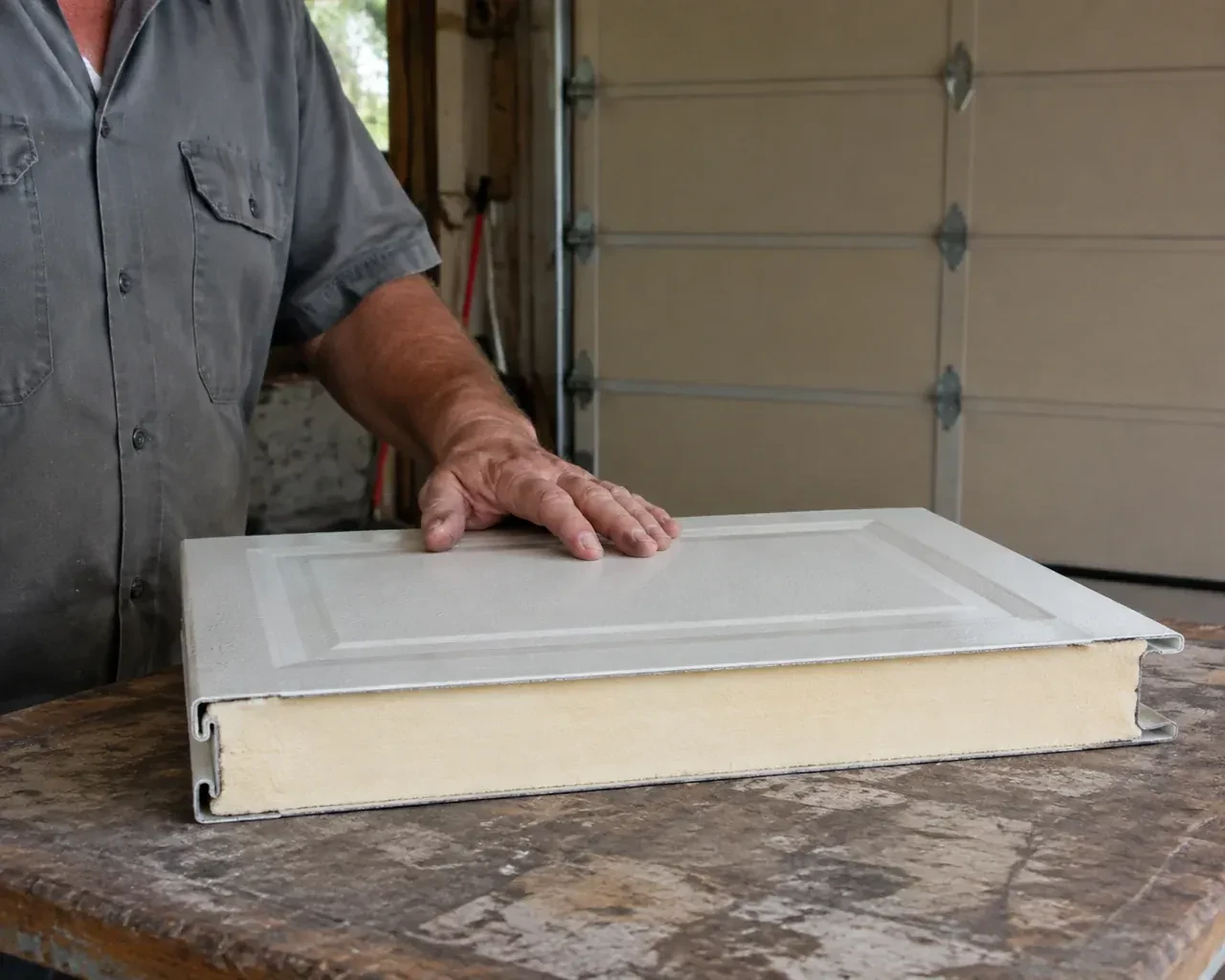
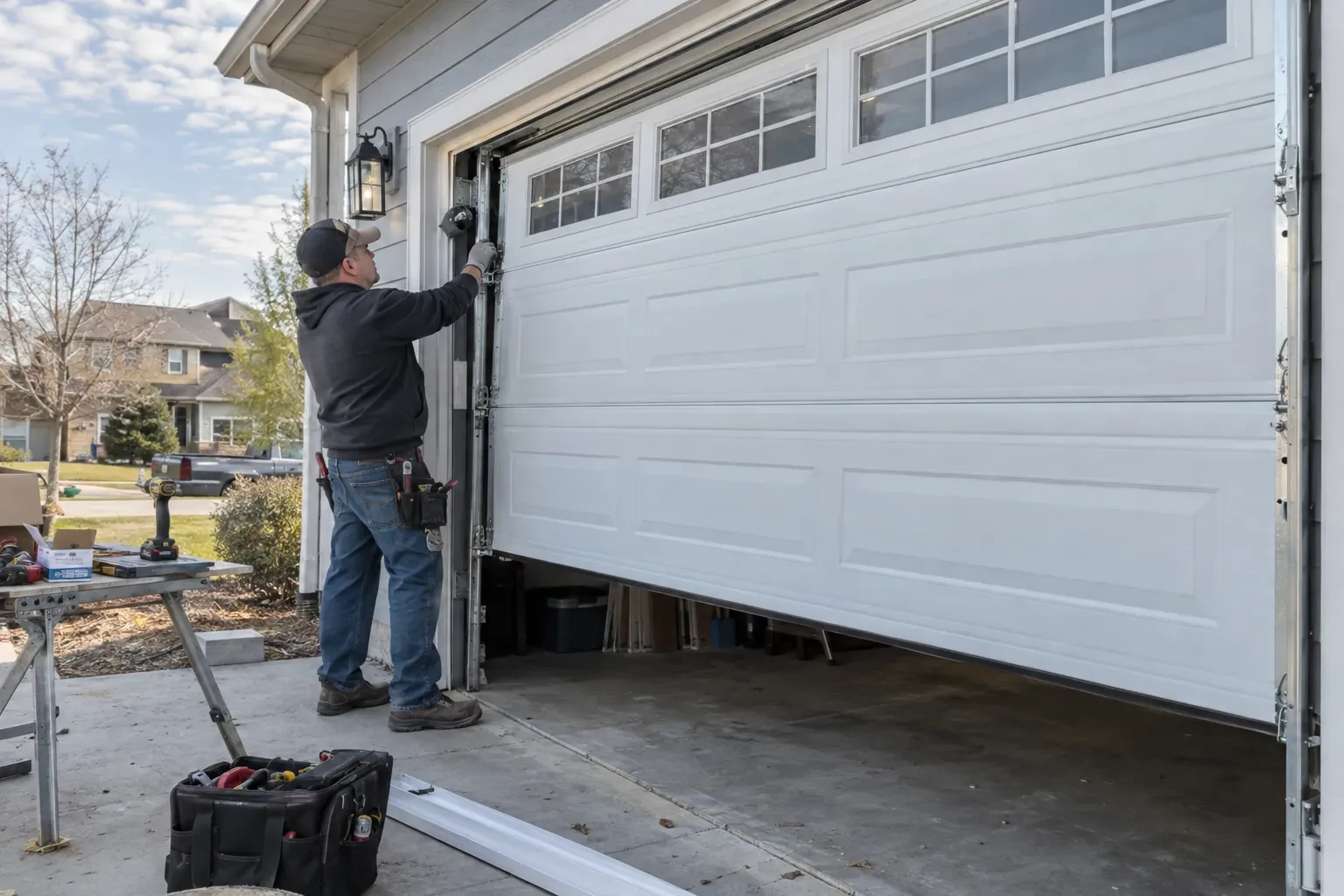
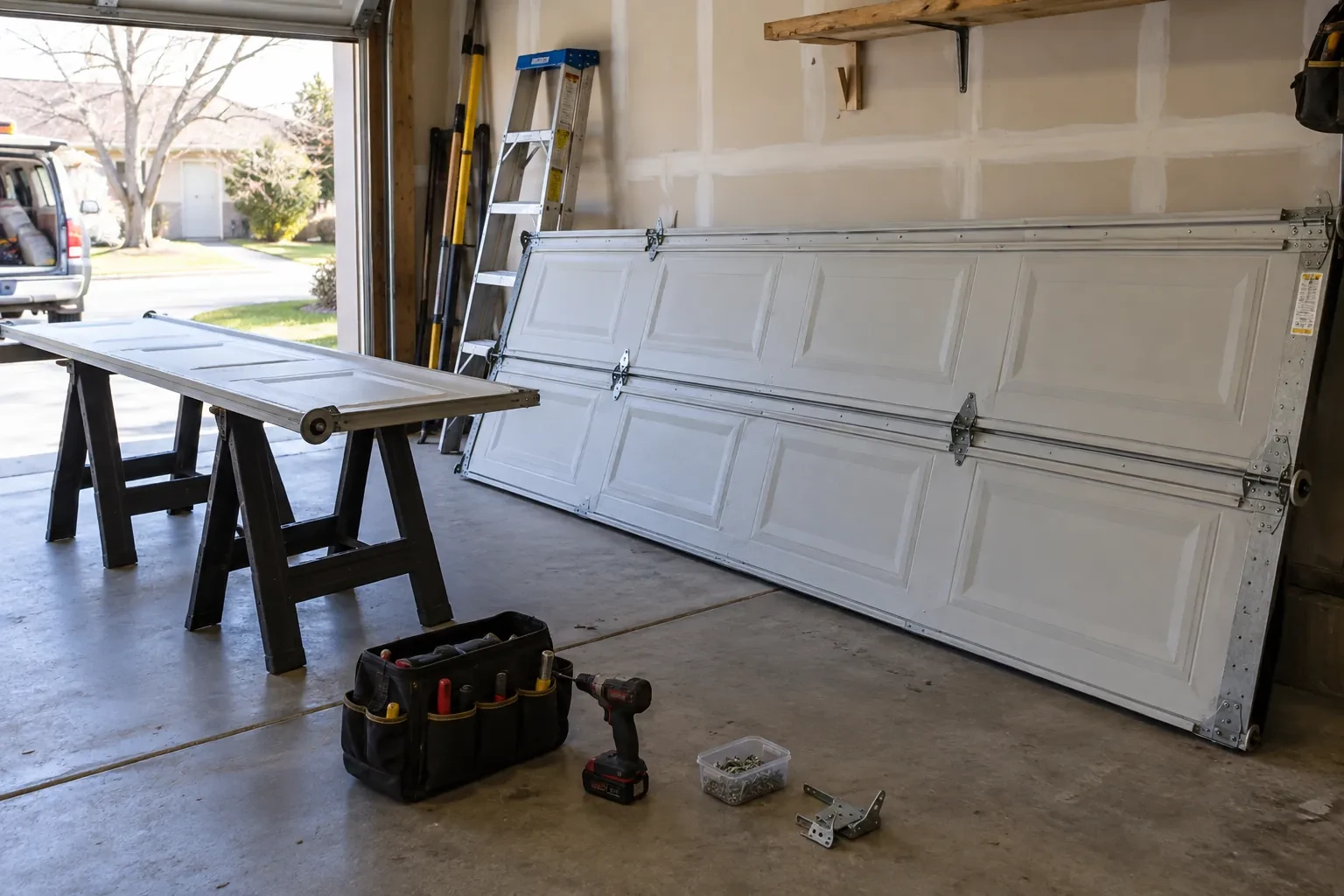
Choosing a new garage door in Toronto is a decision about the front of your house as much as about the garage, and we treat it that way. A technician measures the opening, checks the headroom and framing, and brings real samples of insulated steel, carriage-house and glass designs. The door is installed carefully, balanced properly and demonstrated fully before we leave.
13years in business
24/7open every day
Talk before tools. The visit begins with a conversation about what you noticed and ends with one about what we did. The work sits in between.
Tidy job, tidy garage. Loose hardware collected, packaging taken away, tracks wiped. We judge our work partly by how the garage looks when we leave.
Options with honest trade-offs. A basic part, a heavier-duty one, or a new door: we describe how each will behave over time and let you weigh it.
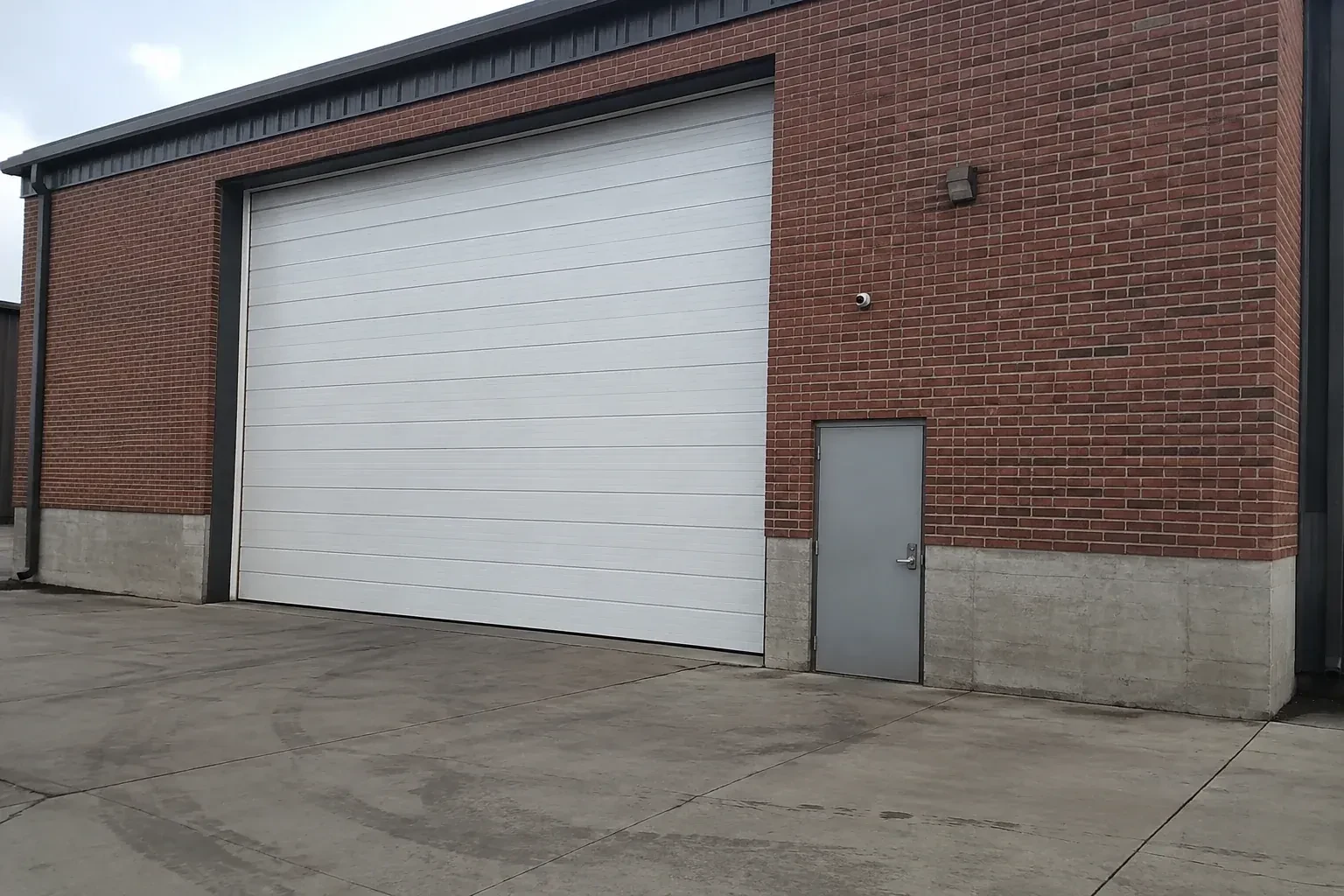
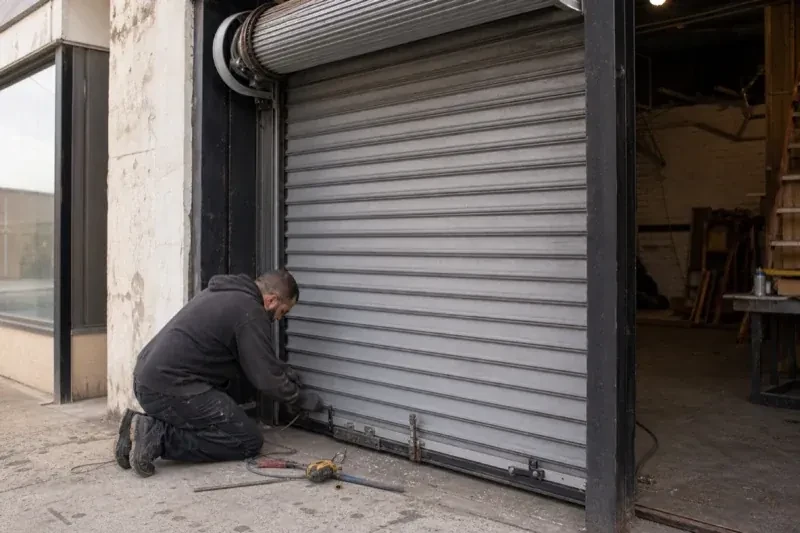
Whatever kind of door is on your building in Toronto, from a single wood door on an older house to a rolling steel door on a workshop, we have a service that fits it. The pages here explain what gets checked first, how the work proceeds and how to look after the result.
About 58% of homes in Toronto were built in 1980 or earlier, according to the 2021 Census.
Older homes
Older houses frequently have a garage door that was replaced once already, sometimes with a door chosen for the opening rather than the building. When that door reaches its end, there is a chance to pick a style that suits the house properly, and we measure with that in mind.
Single-detached houses make up about 23% of homes in Toronto (2021 Census).
Attached housing frequently has tandem or tight garages with limited headroom and little side room, so replacement openers and tracks are chosen to fit those dimensions. A low-headroom track kit or a wall-mounted jackshaft opener often solves what a standard unit cannot.
Nothing on a garage door stores more energy than a wound spring. Handling it well means securing the door, releasing the tension in a controlled way, fitting the correct replacement and rewinding to the right count. This category is that work.
The rail shakes when the door runs. The steel straps holding it to the ceiling have worked loose, the chain rattles the length of the garage, and a bolt has already dropped onto the hood of the car.
The belt looks fine from a distance, but up close the rubber has cracked across the back in dozens of places and, in one spot, you can see the steel cords showing through.
During the ice storm the power was off for two days. You came home in the dark, found the door dead, and had to climb out of the car to pull the red cord in the cold.
Someone backed the car in a little too far, a bin or a bicycle brushed the track, and since then the door starts to close and comes back up. One sensor now sits at a slightly different angle from the other.
After the move, the previous owner's remotes are somewhere in another city and the keypad on the outside wall wants a code nobody wrote down. The wall button works.
Your daughter gets home from school an hour before anyone else. She has lost two house keys this year, and the garage keypad code has been shared with half her class.
After a week of lifting the door by hand you pressed the button, hoping it would catch. Instead the motor grinds, the trolley thumps against the end of the rail, and the little lever that should snap back stays stubbornly upright.
Which fix fits?
You tapped the door with the bumper while backing in, barely a nudge, and now the bottom corner has swung inward.
WhyA spring that breaks with the car inside puts the whole morning on hold, and this service is designed to get that door working again in a single visit.
You press the remote from the driveway and hear the motor hum overhead, a steady drone with no movement behind it.
WhyWhen a door is stuck closed, the first goal is to understand what is holding it rather than adding force.
How a visit goes
Describe the property, the hardware and what has changed, and the visit starts from what you have seen.
01
Tell us what changed
Doors rarely fail without a hint. If it got louder, slower or heavier before it stopped, say so; that history steers the diagnosis.
02
Looking at the whole system
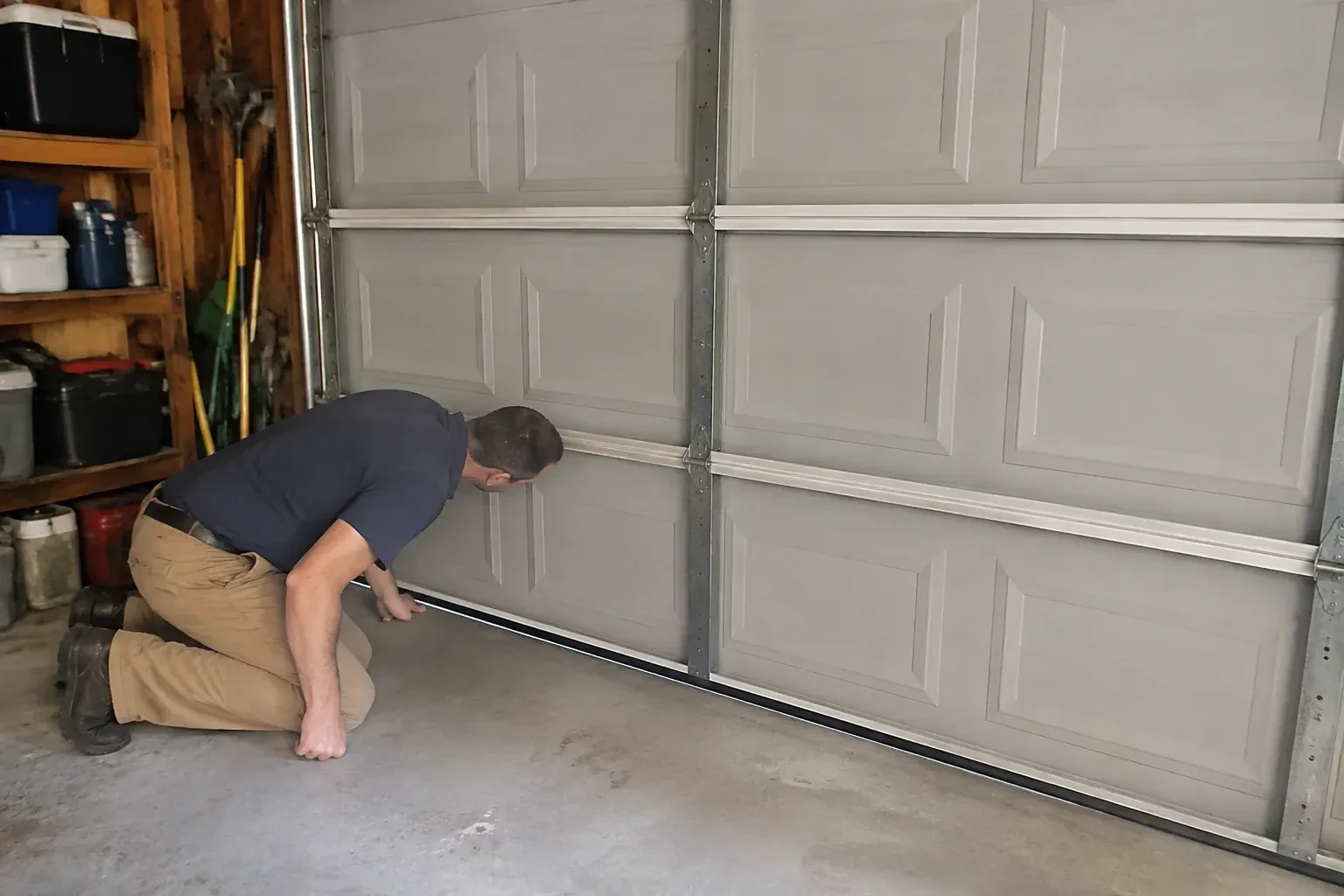
The spring system, the tracks and the opener are checked as one machine, because a fault in one part often starts in another.
03
The repair, then the test
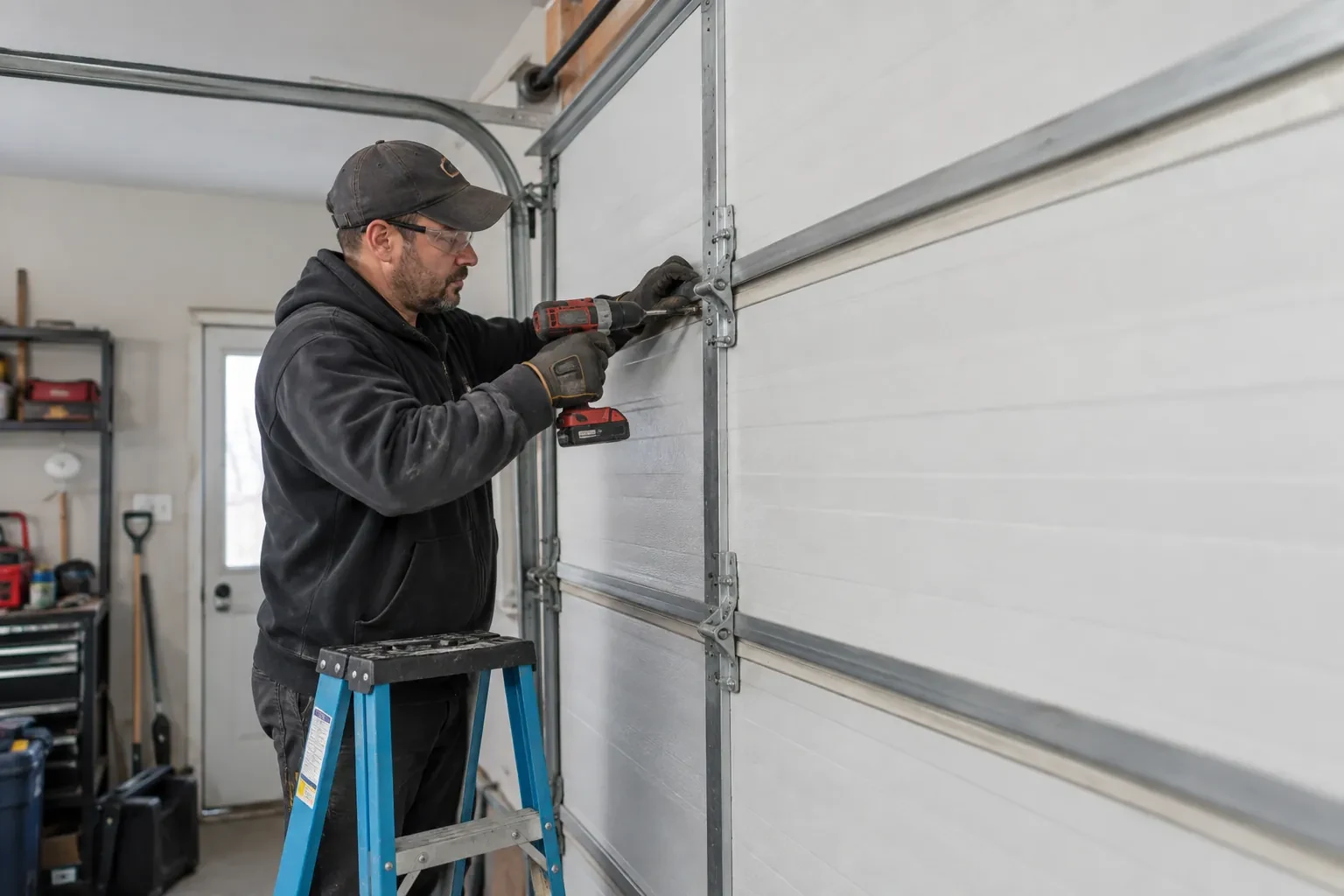
New parts fitted, tension set, sensors aligned. The door then runs through several complete cycles before we consider the job finished.
An entrance. Not an afterthought.
1/10Off-Track Garage Door Reset
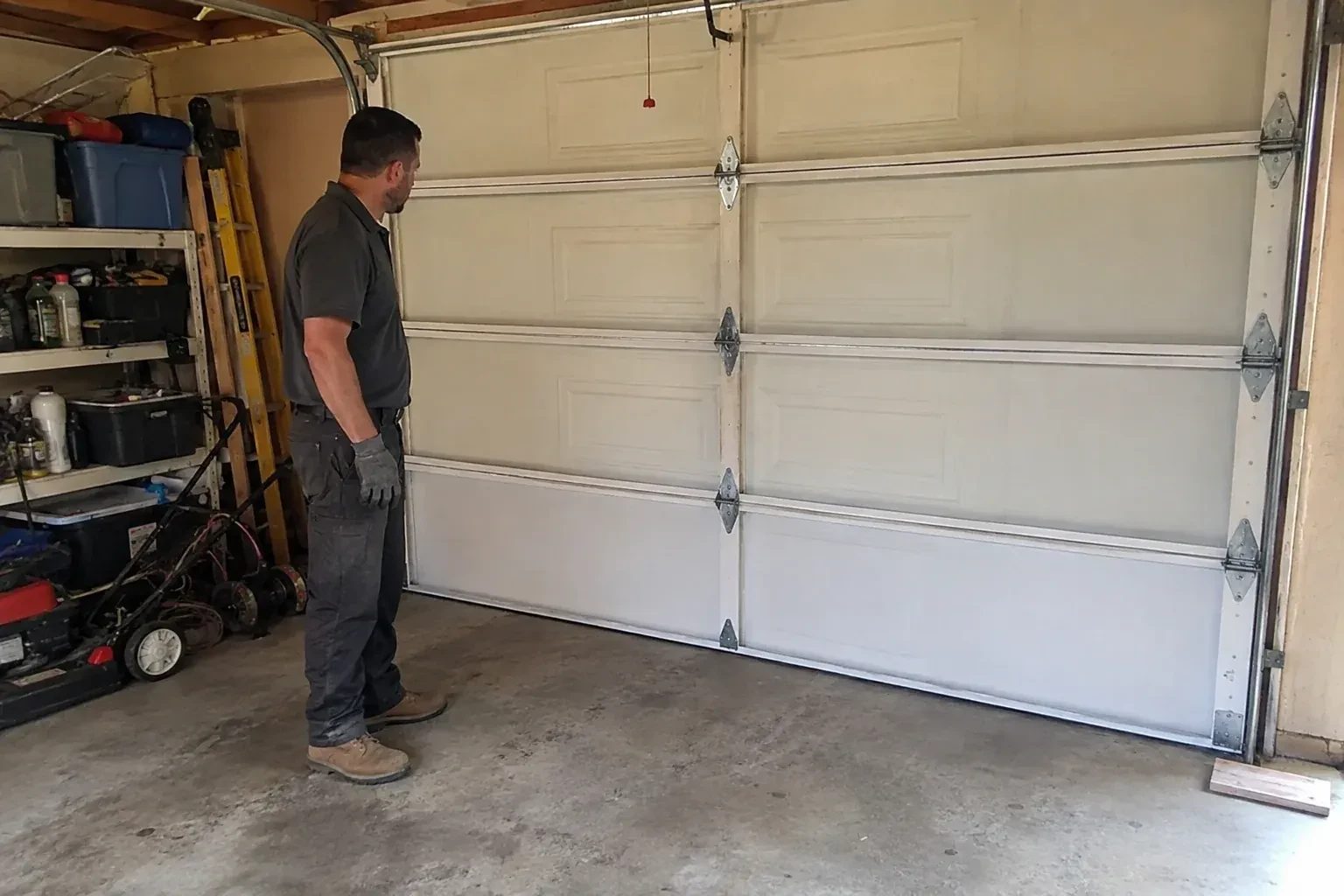
You tapped the door with the bumper while backing in, barely a nudge, and now the bottom corner has swung inward. One roller is dangling outside the rail, the section is twisted, and the door will neither rise nor settle flat.
The top section has developed a bend where the opener arm pulls on it. On the way up it flexes visibly, the door hesitates near the top of its travel, and daylight shows through the joint below it when the door is closed.
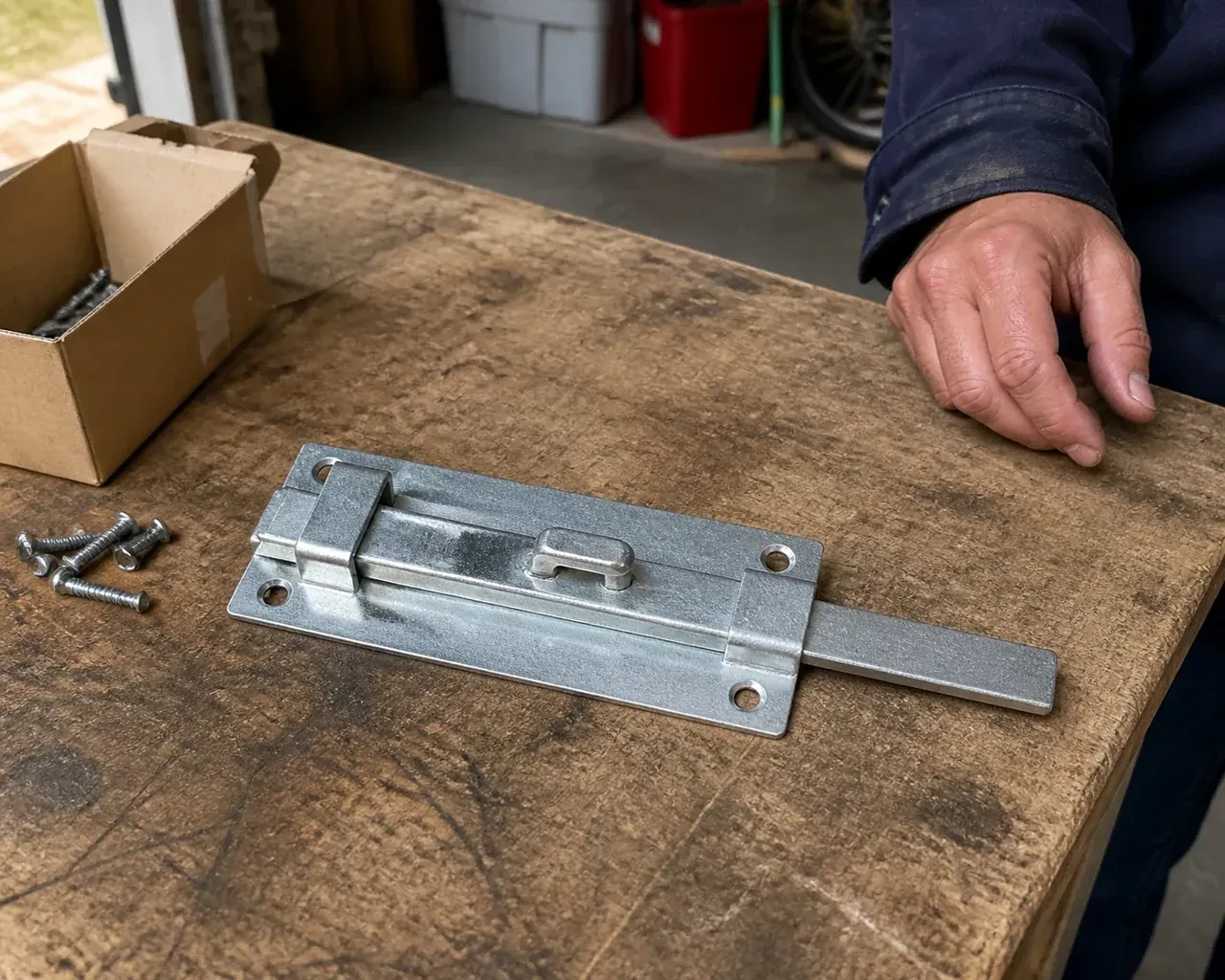
You pushed the slide bolt across like always, but tonight it stops short of the slot in the track and springs back. The door is down, the bottom seal is on the concrete, yet the bar and its hole are a finger's width apart.
You heard a sharp bang from the garage, and now the opener hums for a second and gives up. The door lifts a few centimetres at most, then settles back down as if something very heavy is holding it in place.
You press the remote from the driveway and hear the motor hum overhead, a steady drone with no movement behind it. The door stays shut. Press again and the hum returns, then quits, as if the machine is trying and cannot get a grip on anything.
The door closes, touches the floor, then climbs straight back up as if it hit something. Nothing is in the way, the sensor lights are steady, and it has been doing this since the weather turned.
The opener in the ceiling is older than the car parked under it. It groans on the way up, the light fixture rattles, and there are no small sensors near the floor. The last technician mentioned that parts for that model stopped being made years ago.
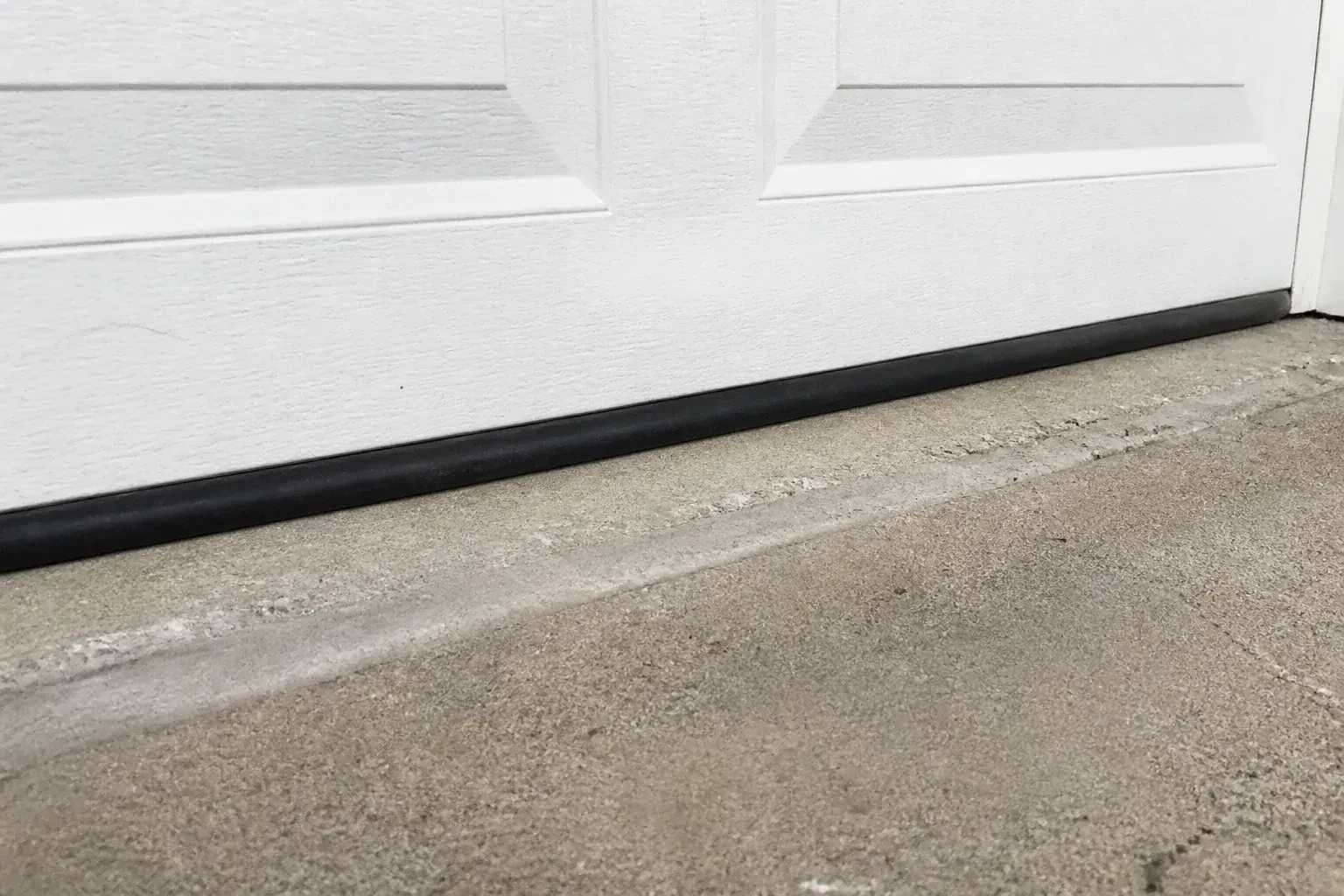
The room above your attached garage stays chilly while the steel door below feels cold to the touch. Light shows at the edges, and every winter wind seems to find the gaps around the opening.
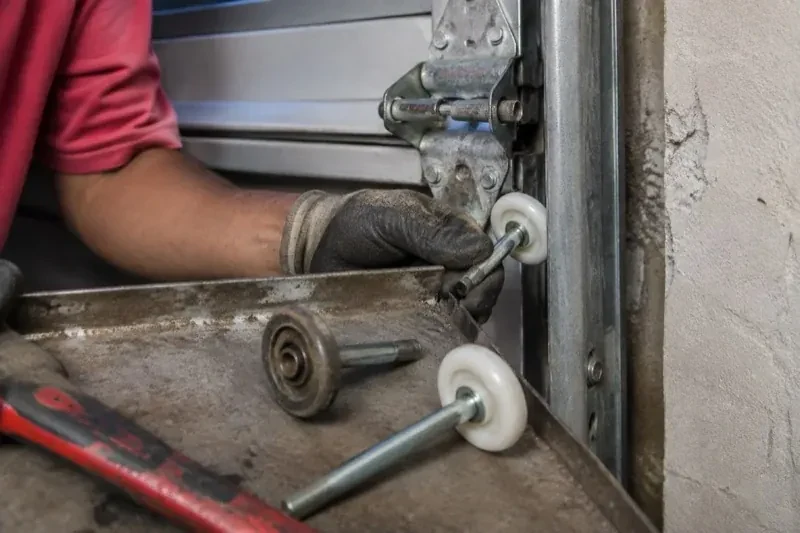
Each opening cycle brings a metallic knock followed by a shudder through the horizontal track. The sound grows near the curve, where a worn roller and loose hinge allow the section to shift under load.
The wall control asks the door to close, but the operator hums and stops. The curtain remains overhead while the control light and the photoelectric sensors suggest that the powered system needs a connected diagnosis.
In a reset the rail is sound and the work is putting rollers, cables and sections back where that rail expects them, with minor alignment corrections. In a track repair the rail itself is the problem and must be straightened, re-hung or partly replaced first. One visit can include both, and the technician tells you which you need after looking at the door rather than guessing from the description.
What is a strut, and does a new section need one?
A strut is a horizontal steel stiffener fastened across the inside of a section to keep it from bowing. Wide doors, top sections where the opener arm pulls, and bottom sections that take knocks are the usual places for them. If your damaged section had a strut, the new one gets a straight strut refitted or replaced. If a top section bowed because it never had one, adding a strut is part of putting it right.
What lubricant belongs on a garage door lock?
Dry graphite or a PTFE lock lubricant for the key cylinder, because oil traps grit and moisture in the pins. A light silicone film for the bars and their guides, wiped rather than dripping, so salt spray and slush have less to cling to. Grease is avoided everywhere on the lock, as it thickens in the cold and collects dirt that gums the action.
How long does a torsion spring replacement take?
Most residential replacements are completed in one visit. Securing the door, measuring, removing the old spring, fitting and winding the new one, balancing and testing the opener typically takes an hour or two, longer if bearings, cables or a bent top section are also being dealt with. The technician confirms the scope after the first checks, so you know what the visit involves before the work starts.
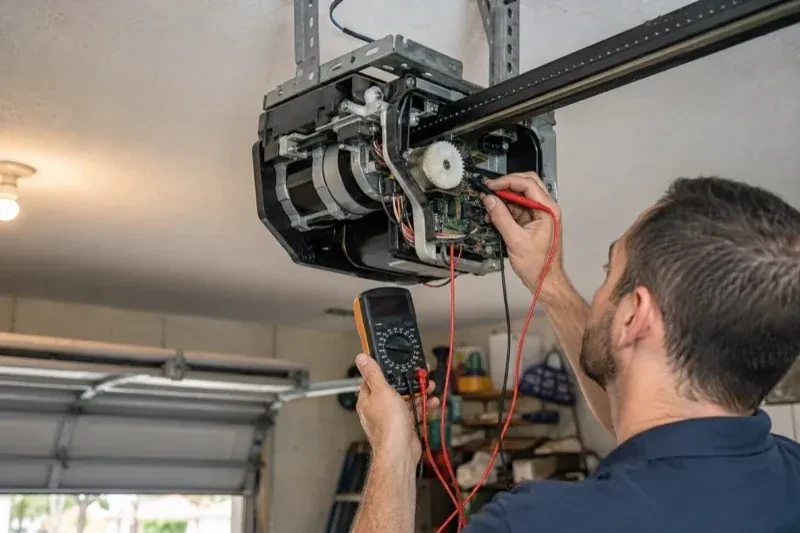
What does an opener diagnosis actually involve?
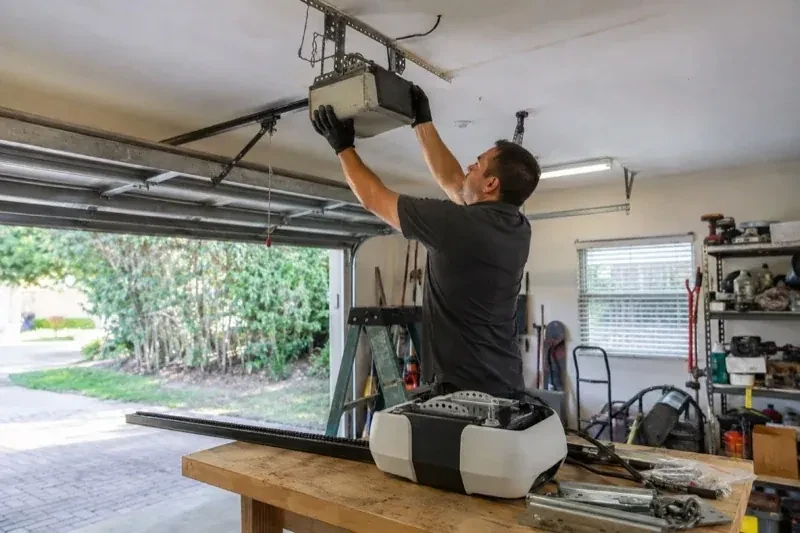
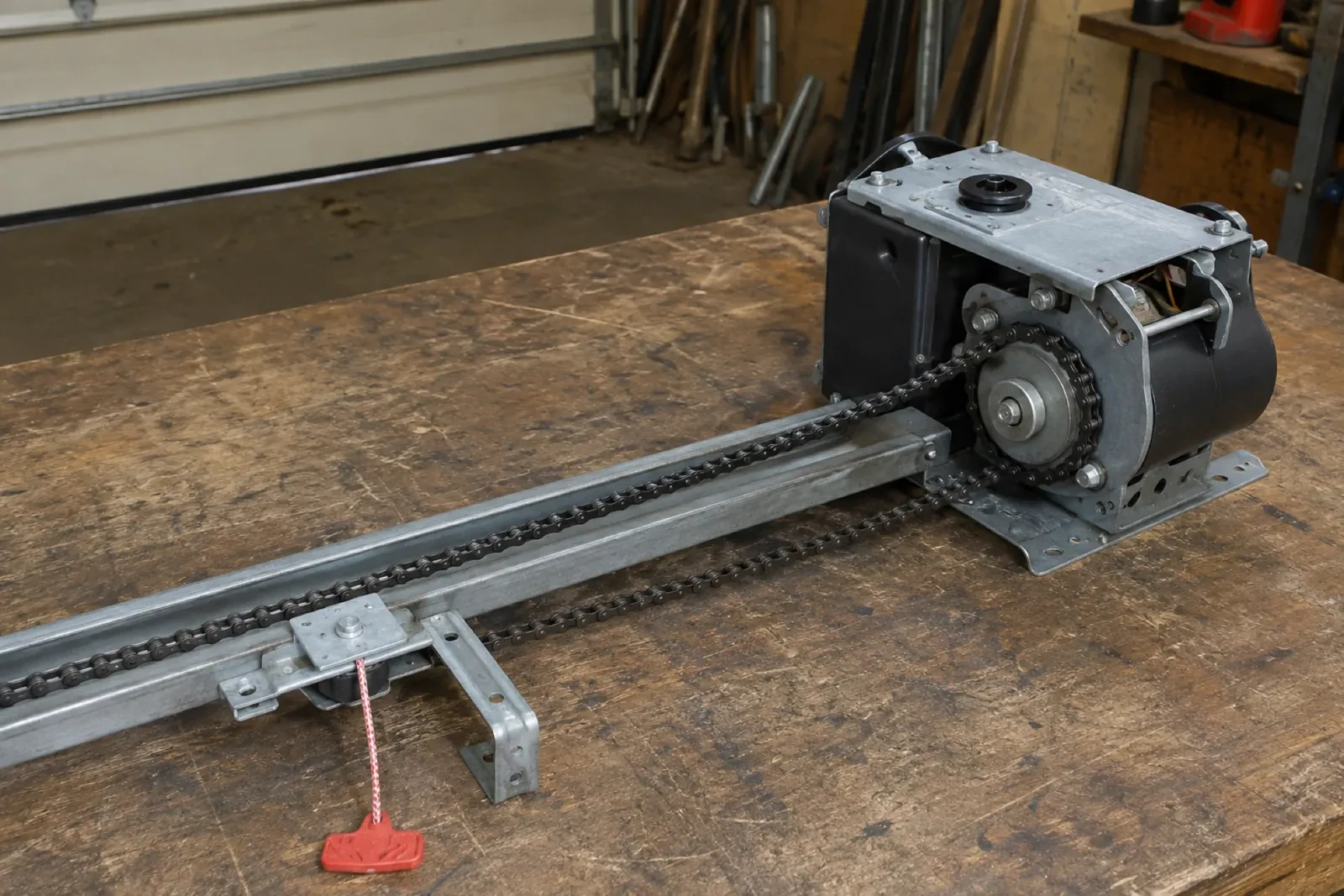
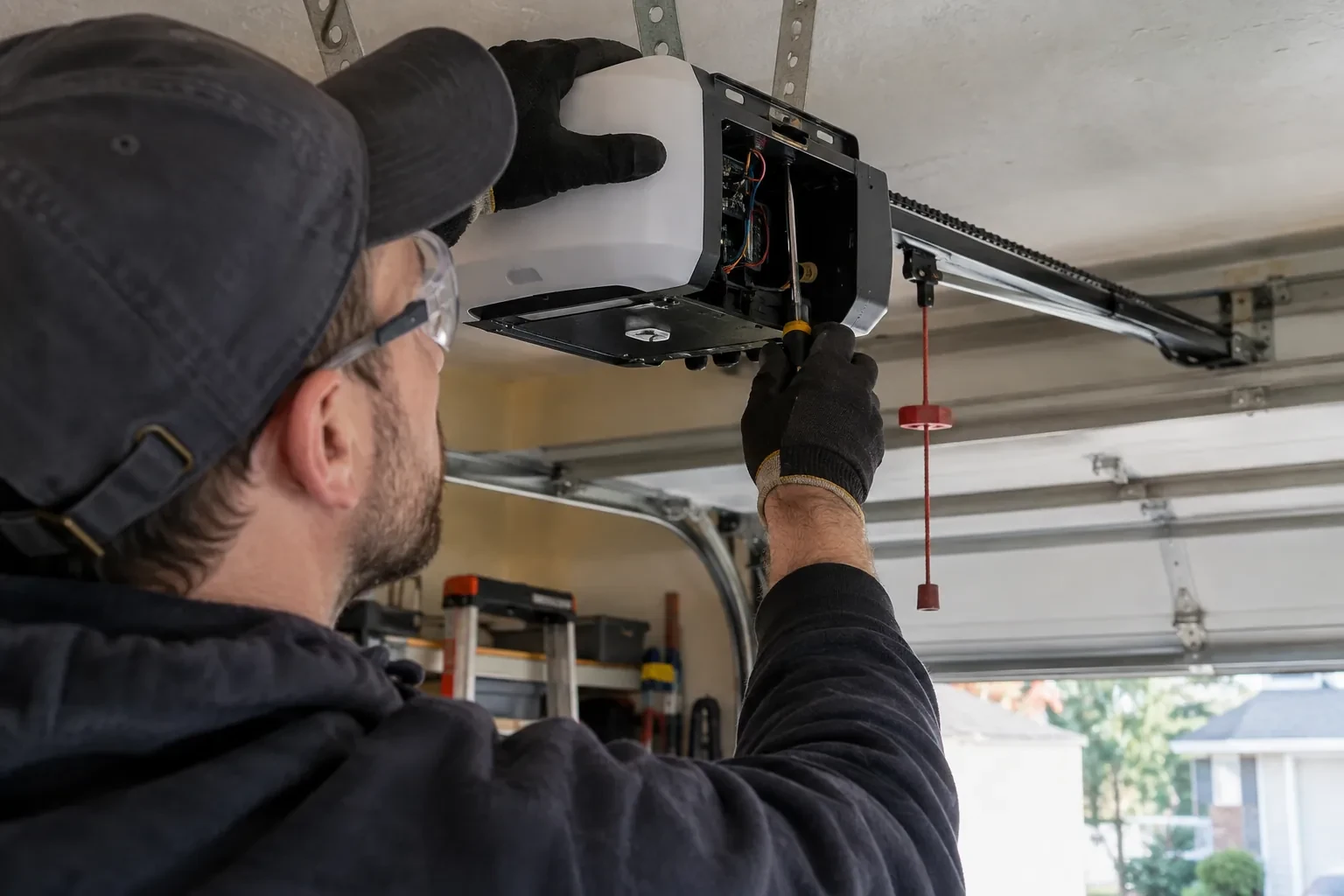
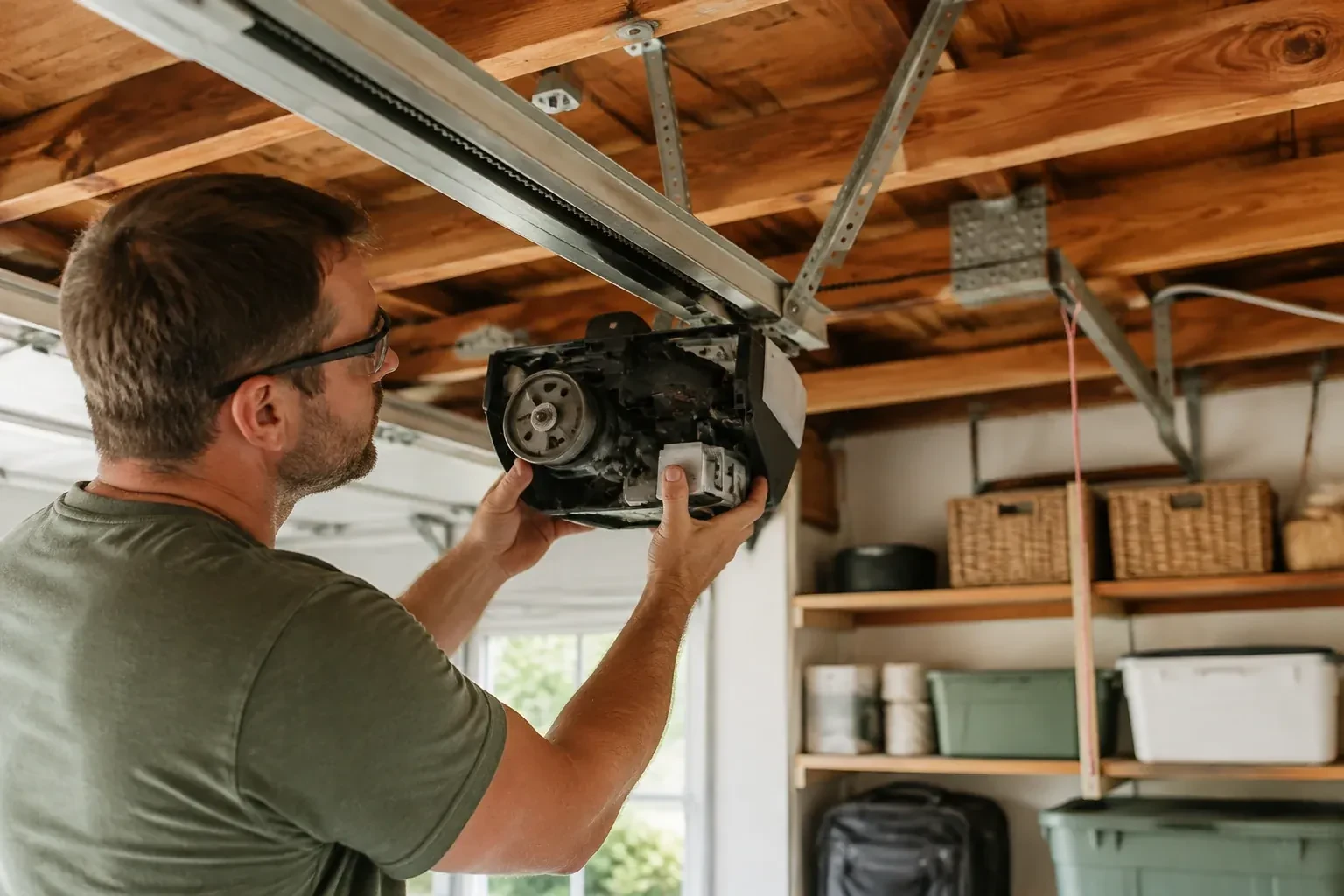
A fixed sequence of checks, done in order so nothing is assumed. Power at the receptacle. Each control tried on its own. The photo eyes and their indicator lights. The head unit's flash code, if it has one. The drive train from motor to trolley. Then the door itself, disconnected and lifted by hand to test its balance. Only after that is a part named and, where it is a small one, replaced during the same visit.
My opener is decades old. Can the chain drive still be repaired?
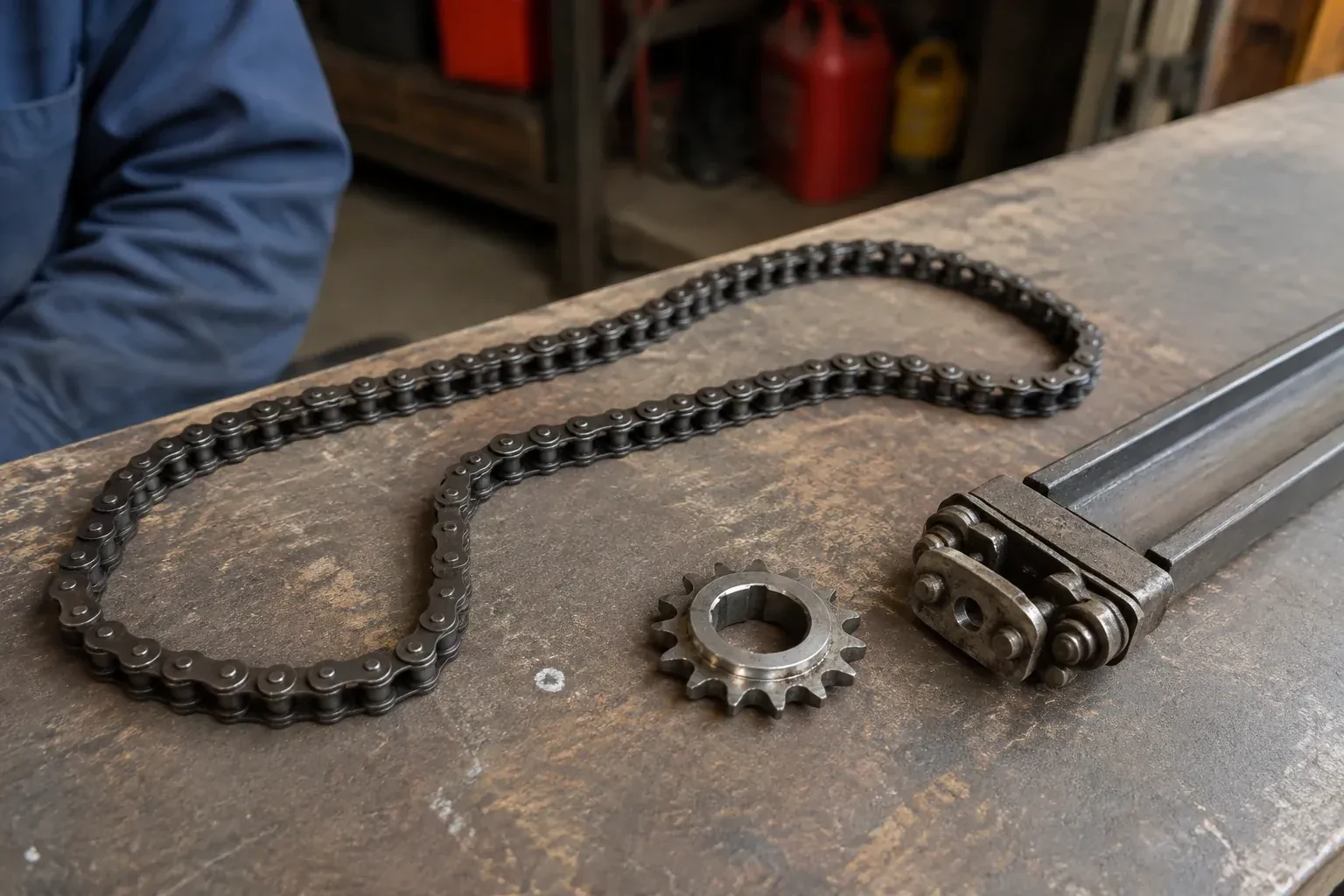
Often, yes. Gear kits, sprockets, chains and trolleys are still made for many older heads, and tension, phase and limits can be set on almost any unit. The limit is parts: some makers no longer support units made before the mid-1990s, and those also lack the photo-eye protection expected today. The technician checks parts availability for your model and lays out repair beside renewal so you can decide with the facts.
Will the buttons built into my car work with the new opener?
Nearly always, yes. The in-car transmitter is taught to the new operator using the learn button on the head unit, much like a handheld remote. Some older vehicles predate the newest rolling-code systems and pair through a small repeater or bridge that the technician can supply. Bring the car into the driveway on installation day so it can be programmed and tested before the technician leaves.
How do I operate the door during a power outage?
At handover, the installer demonstrates the operator's emergency release and the safe handle or gripping point for manual movement. The exact sequence follows the operator instructions. Once released, a balanced door can be raised and lowered by hand with controlled effort. Reconnection is also shown, and remotes are kept aside until the mechanism is properly engaged again.
What happens during the final operational test?
The technician observes the door through the complete travel path, checking that sections articulate cleanly, rollers stay guided, cables track on their drums and the bottom edge remains level. Balance is evaluated where manual testing is appropriate. Powered controls, stopping positions and installed photoelectric sensors or sensing edges are then checked, followed by a review for vibration or contact.
Can a door stuck partly open be repaired in that position?
The position becomes part of the repair plan. Traffic is controlled, the curtain is supported or secured, and its weight and stored spring energy are managed before a guide or drive component is released. Depending on the fault, the door may be brought to a safer working position under control before the component repair begins.
Request a visit
Households in Toronto are not left guessing about cost. The technician assesses the door, explains the cause, and gives the price on the spot, before starting. There is one fee whatever hour we arrive, and if you decide to wait or think it over, that is a perfectly acceptable answer.