Garage Doors in York Mills, OntarioA door that liftsthe way it should.
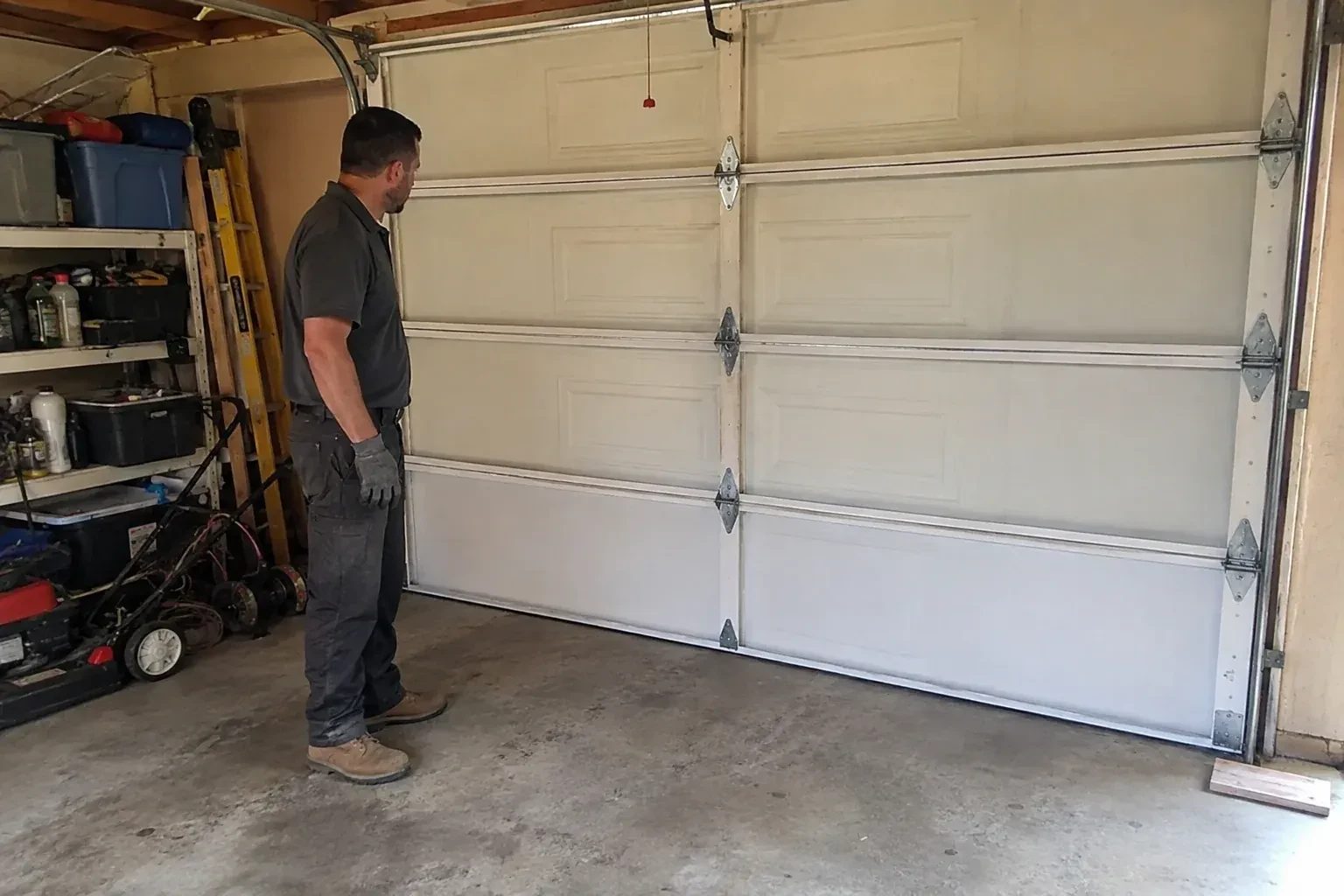
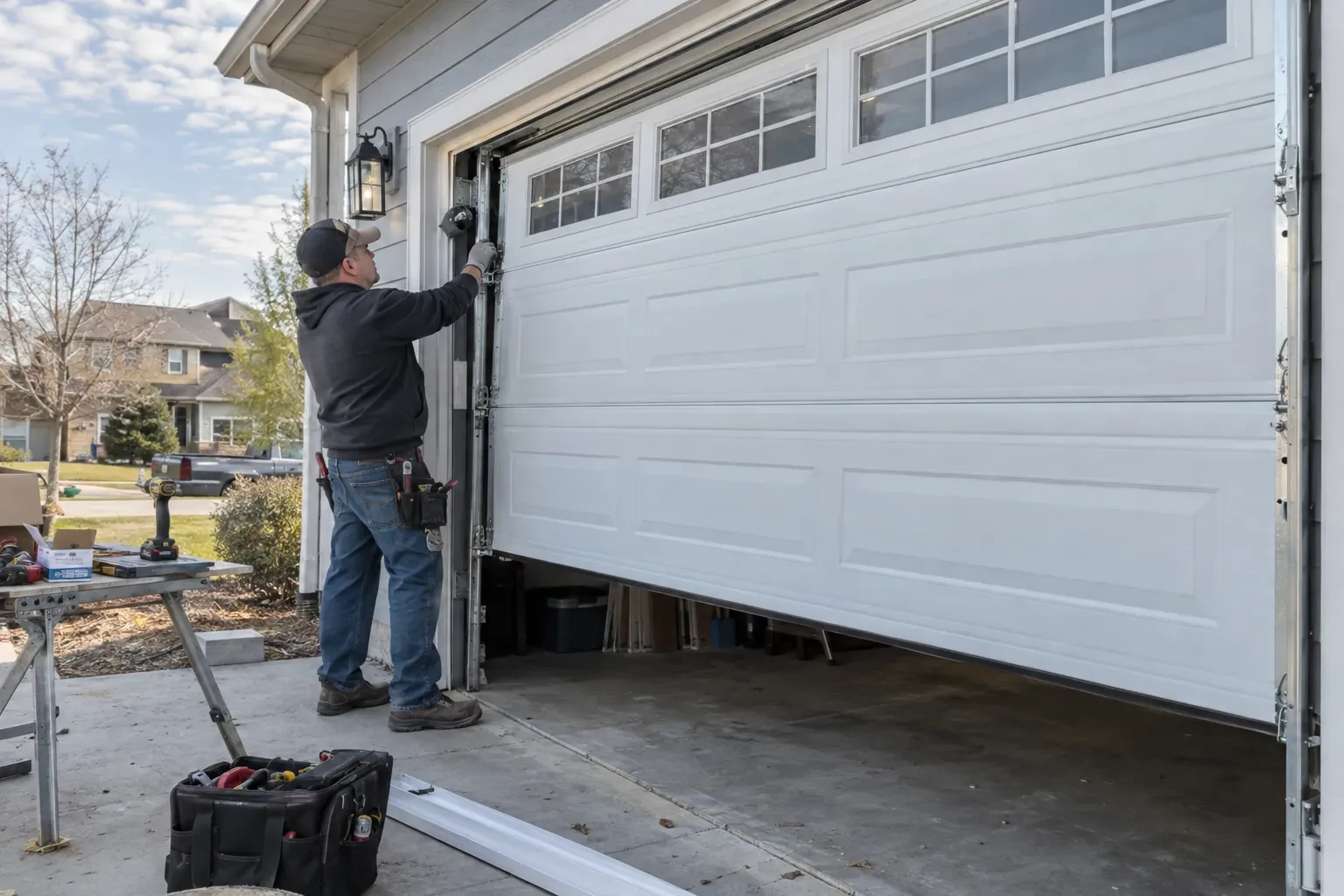
Homes in York Mills rely on the garage door more than any other entrance, and when it hesitates, grinds or stops halfway, the whole morning slows down. We look over the springs, cables, rollers and opener together, explain what has worn in plain words, and leave the door running the way it did when it was new.
Homes in York Mills rely on the garage door more than any other entrance, and when it hesitates, grinds or stops halfway, the whole morning slows down. We look over the springs, cables, rollers and opener together, explain what has worn in plain words, and leave the door running the way it did when it was new.
Springs, openers and everything between.
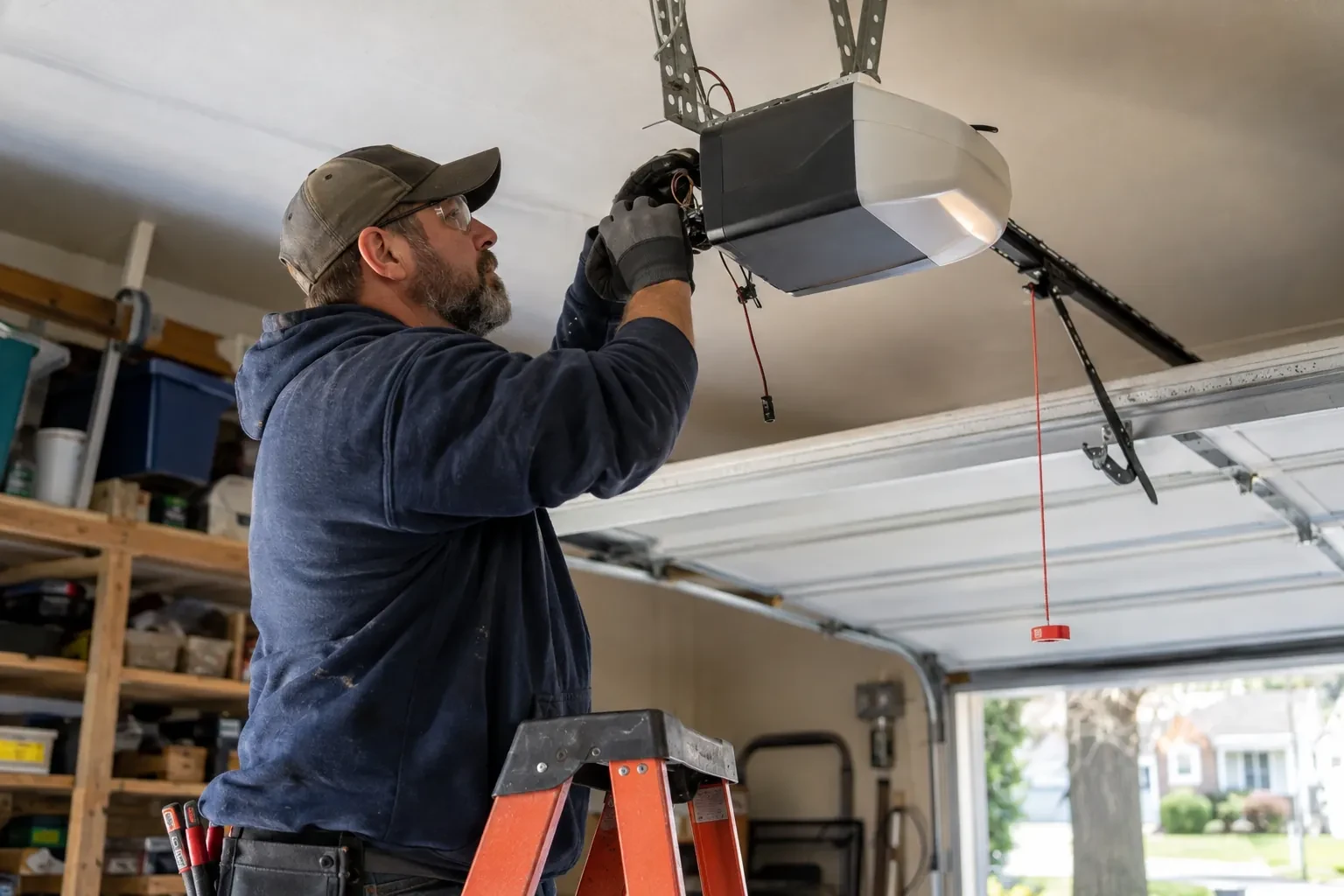
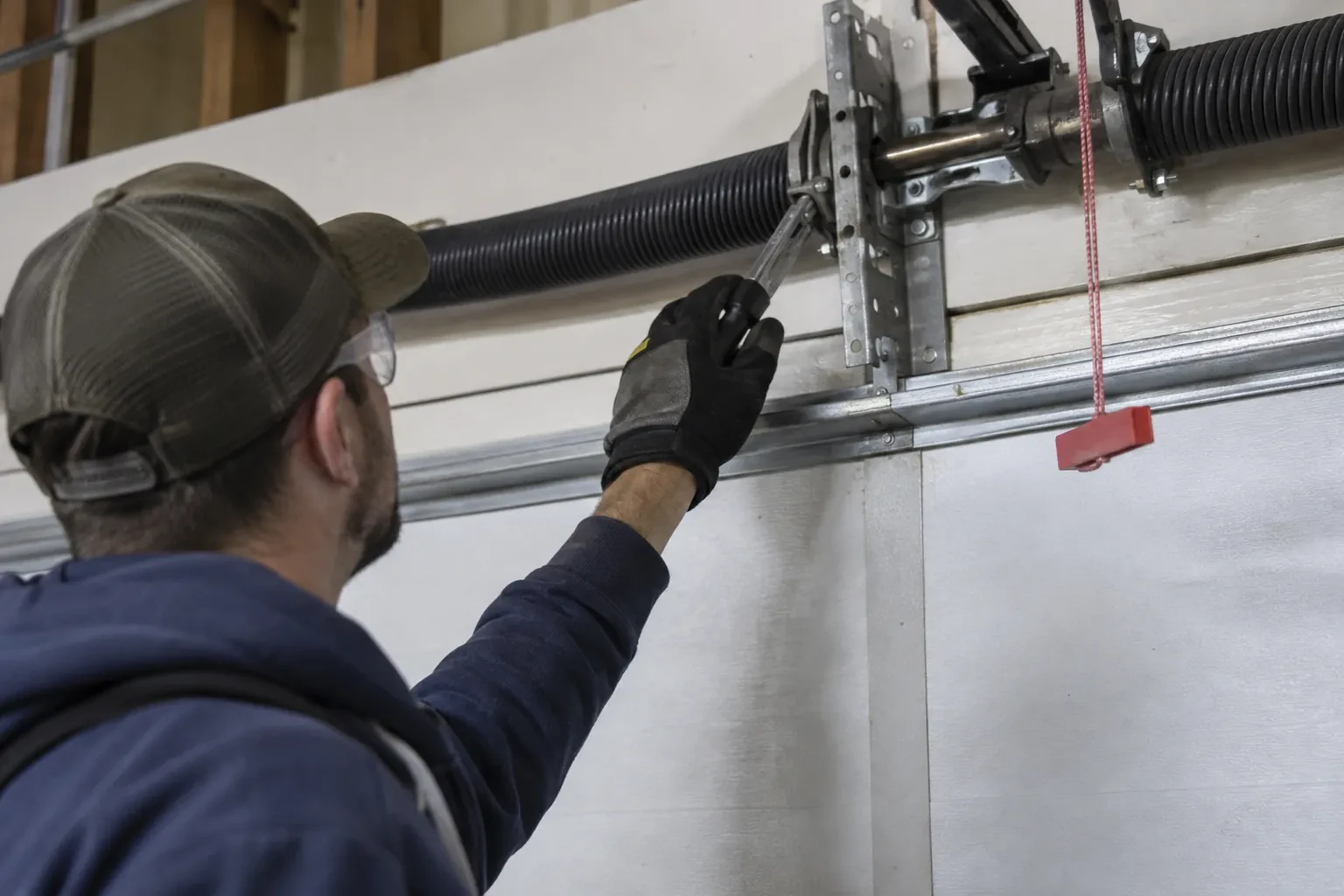
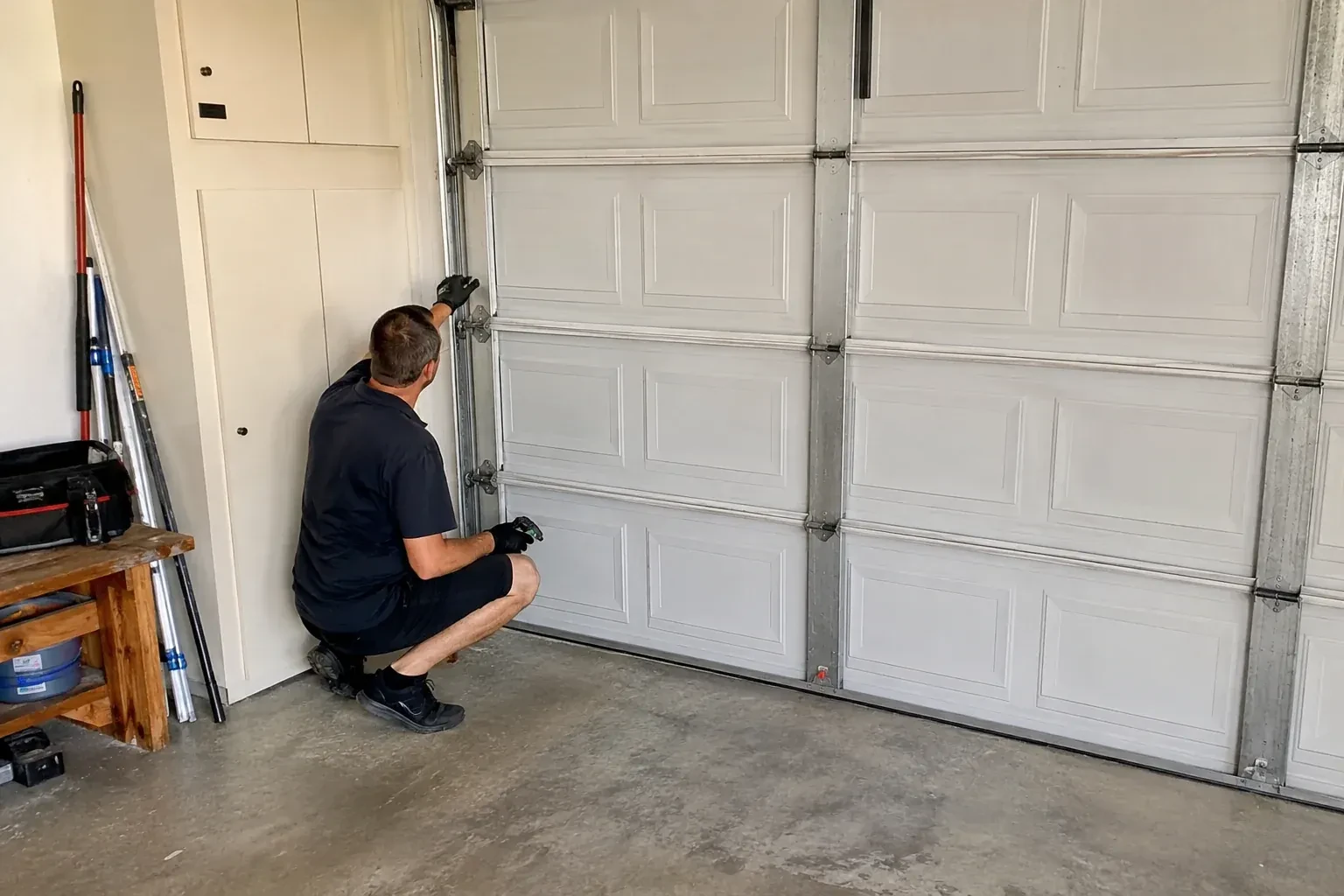
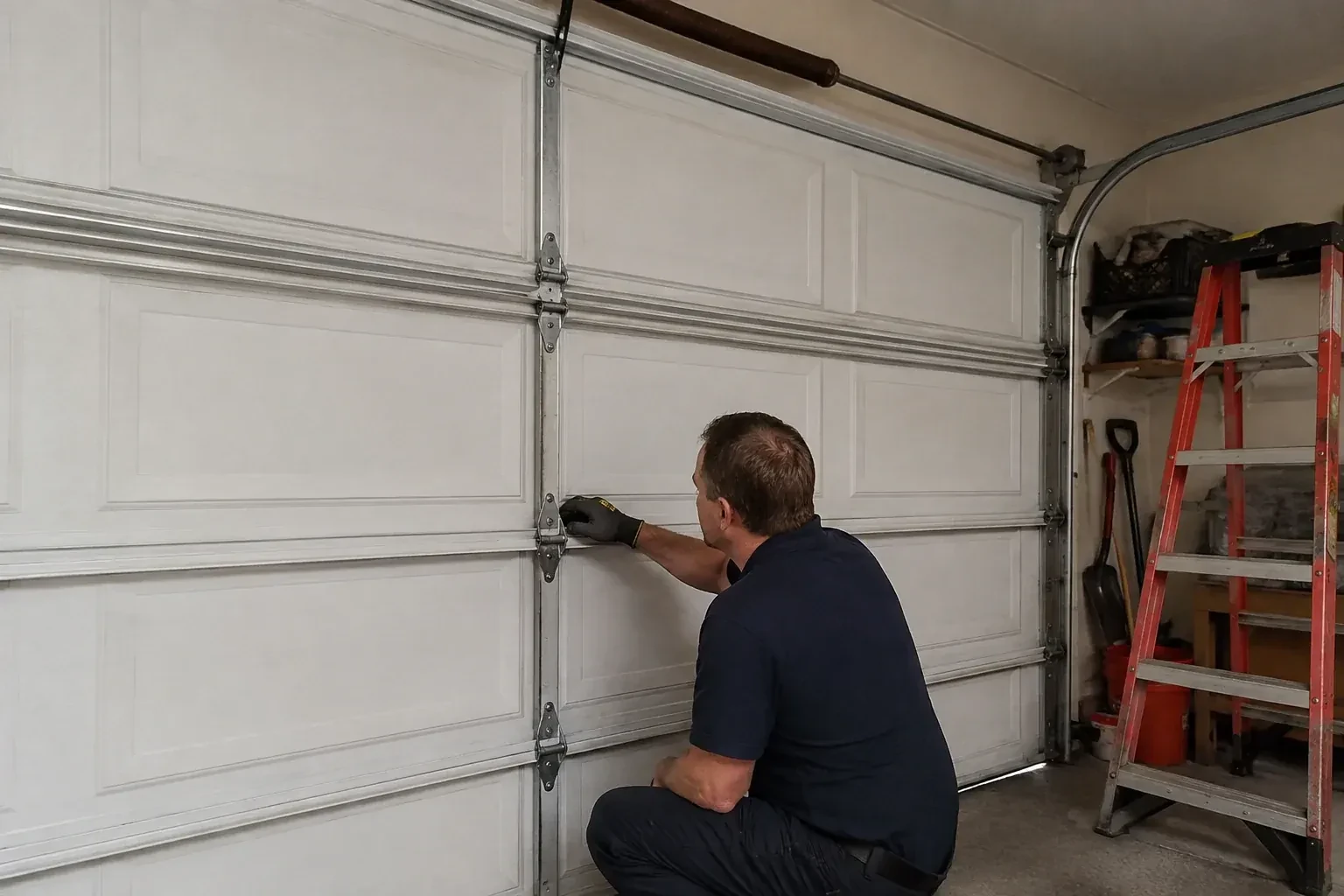
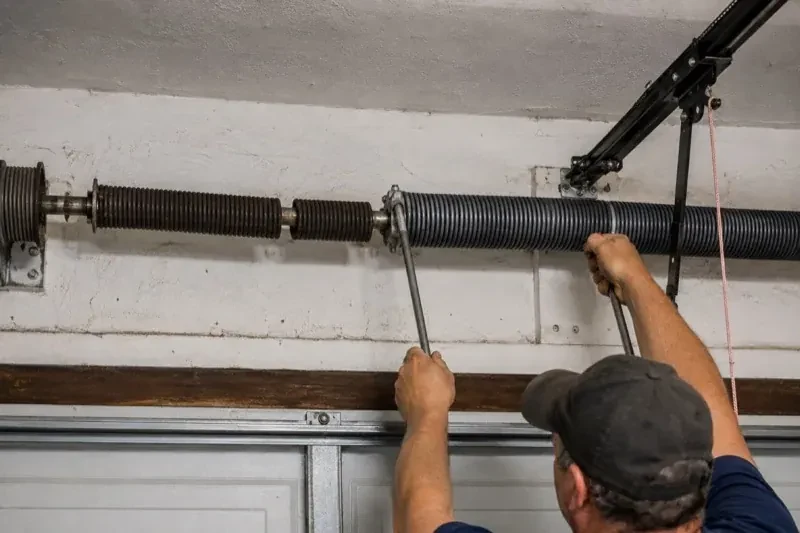
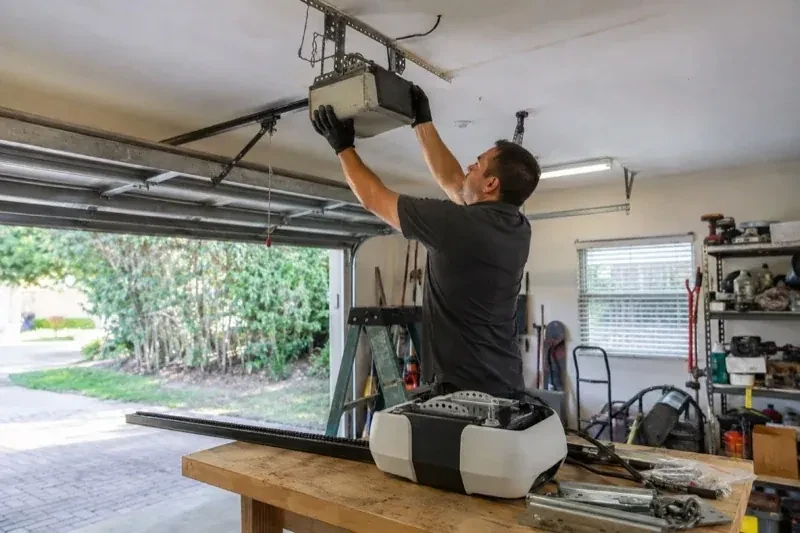
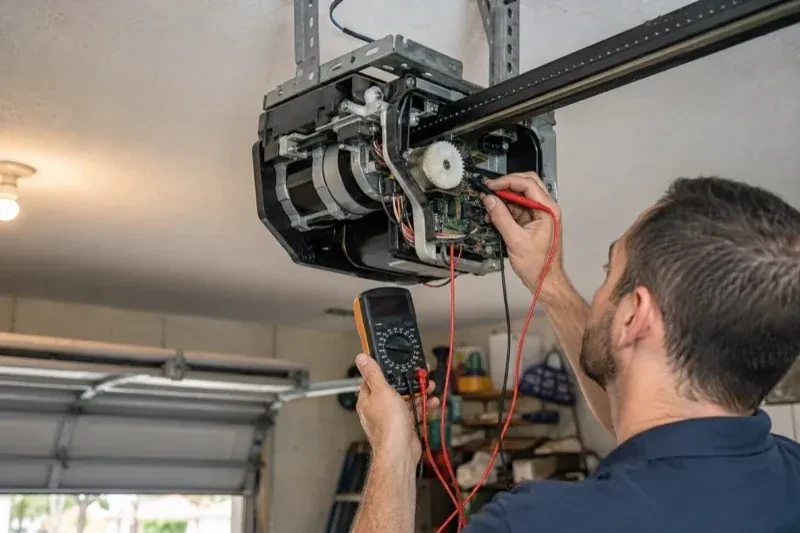
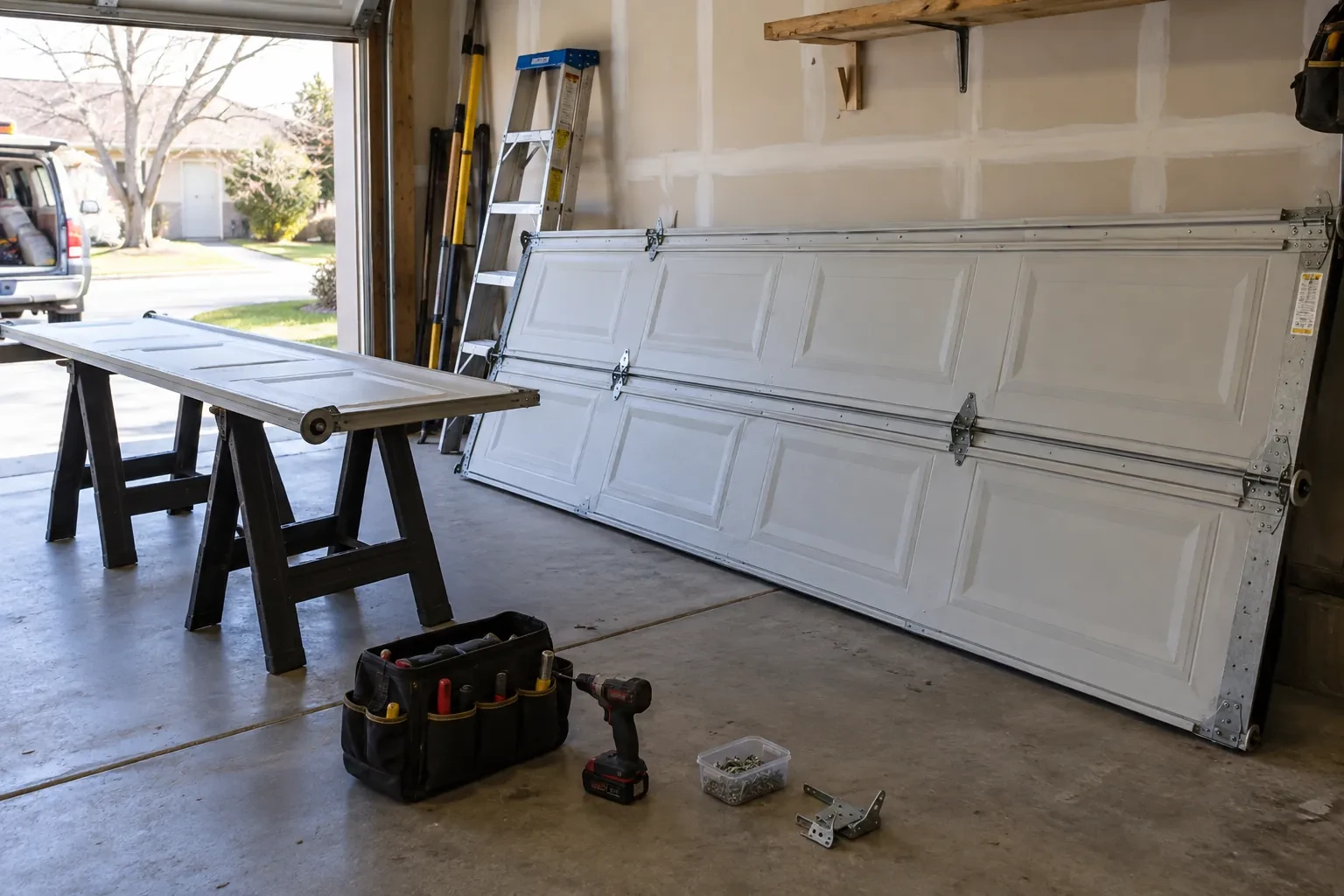
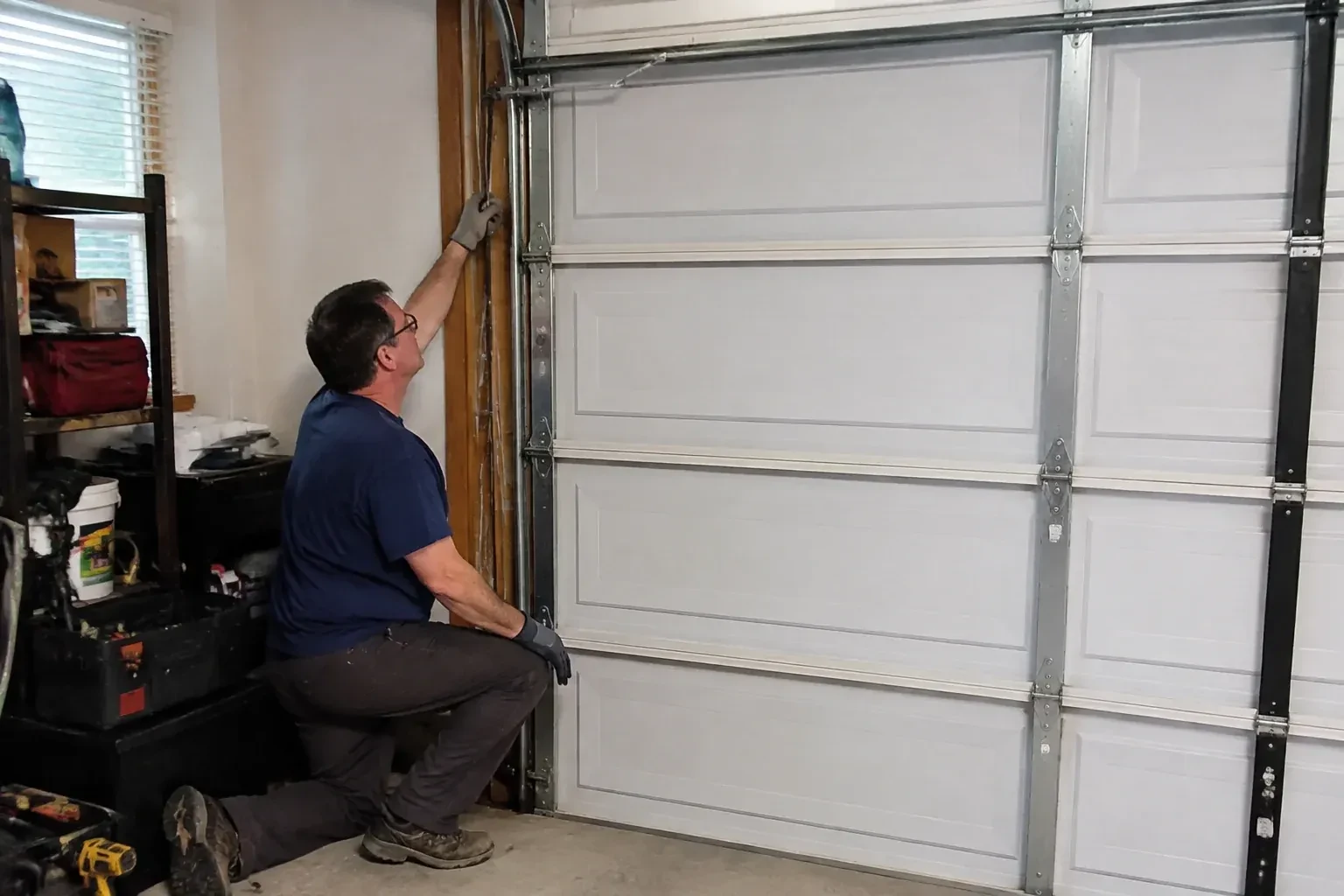
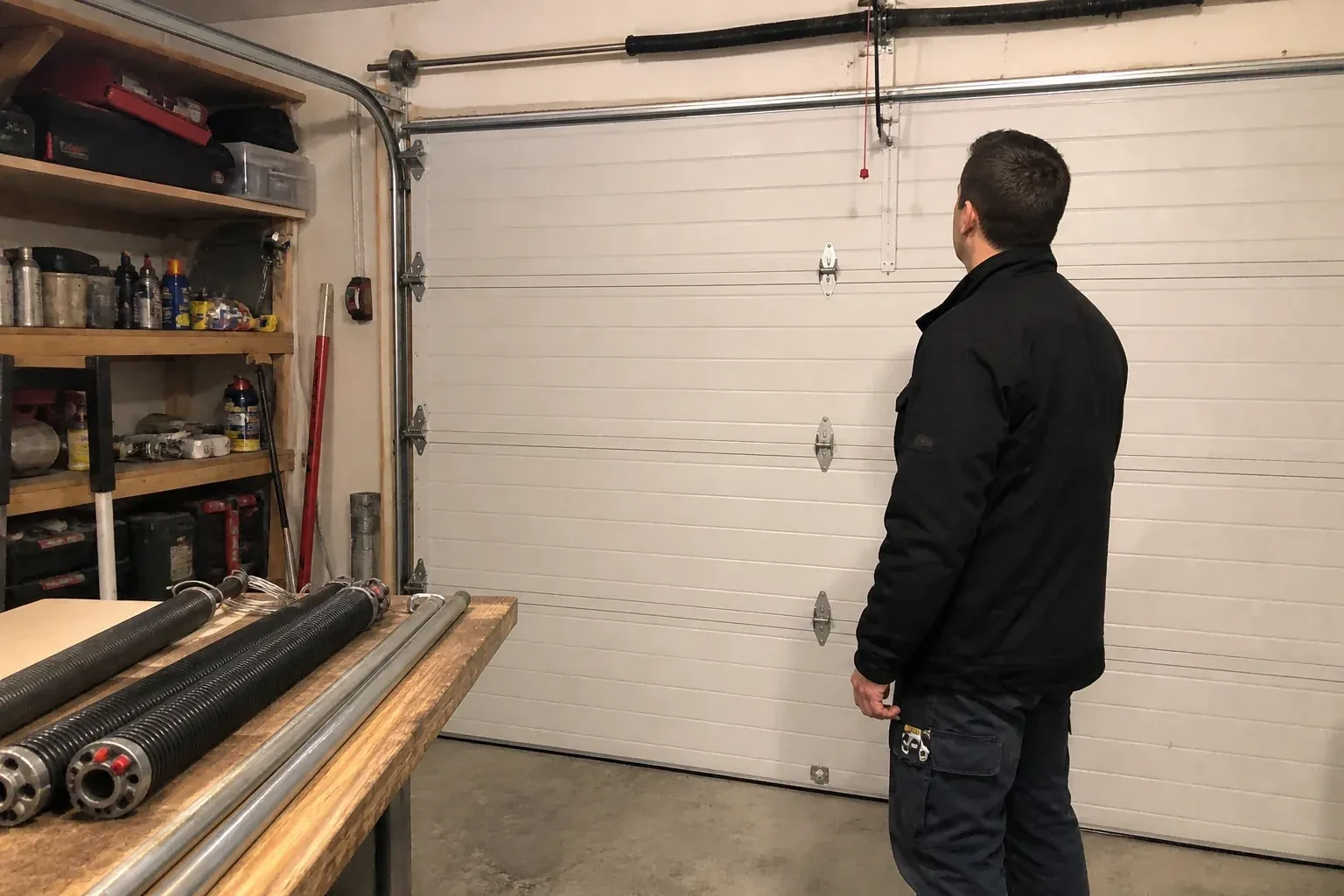
Our technicians in York Mills carry the winding bars, clamps, stands and gauges the work needs and use them every time, on every door. Spring sizes are measured, not guessed; cable lengths are matched to the drums; opener force is set with the door balanced. The result is a door that behaves.
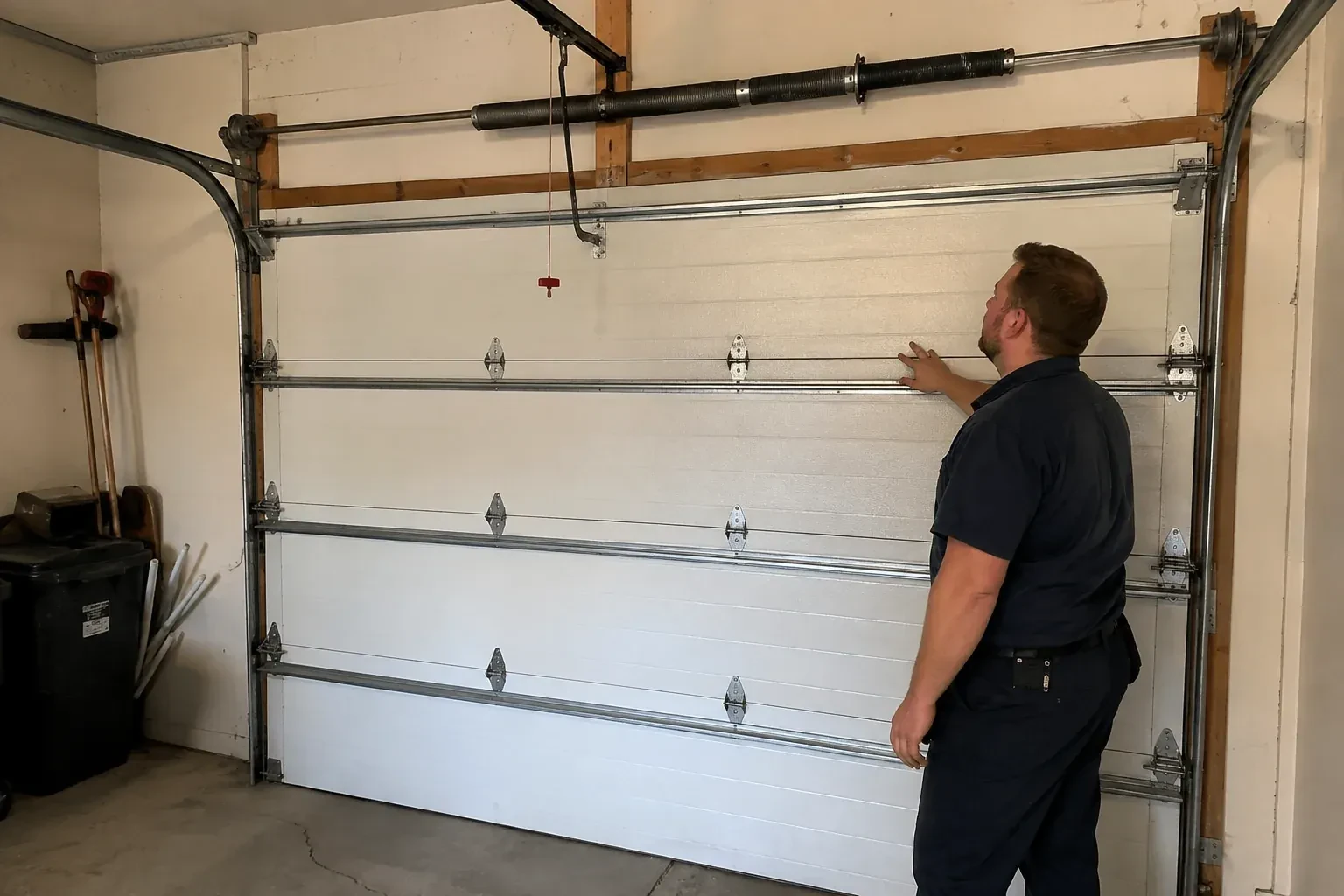
Older garages in York Mills sometimes have doors that were hung, adjusted and re-hung by several different hands over the years. We respect that history and work out what the door needs now: matching springs, a proper balance, fresh rollers and a track that is straight and firmly anchored. Where a new door makes more sense, we show real samples and talk it through.
13years in business
24/7open every day
Talk before tools. The visit begins with a conversation about what you noticed and ends with one about what we did. The work sits in between.
Tidy job, tidy garage. Loose hardware collected, packaging taken away, tracks wiped. We judge our work partly by how the garage looks when we leave.
Options with honest trade-offs. A basic part, a heavier-duty one, or a new door: we describe how each will behave over time and let you weigh it.
Arrange a technician for your York Mills garage door.
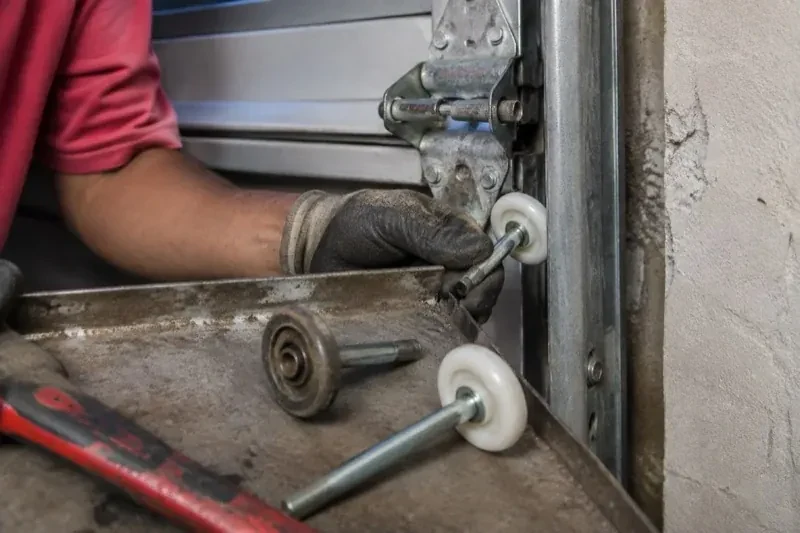
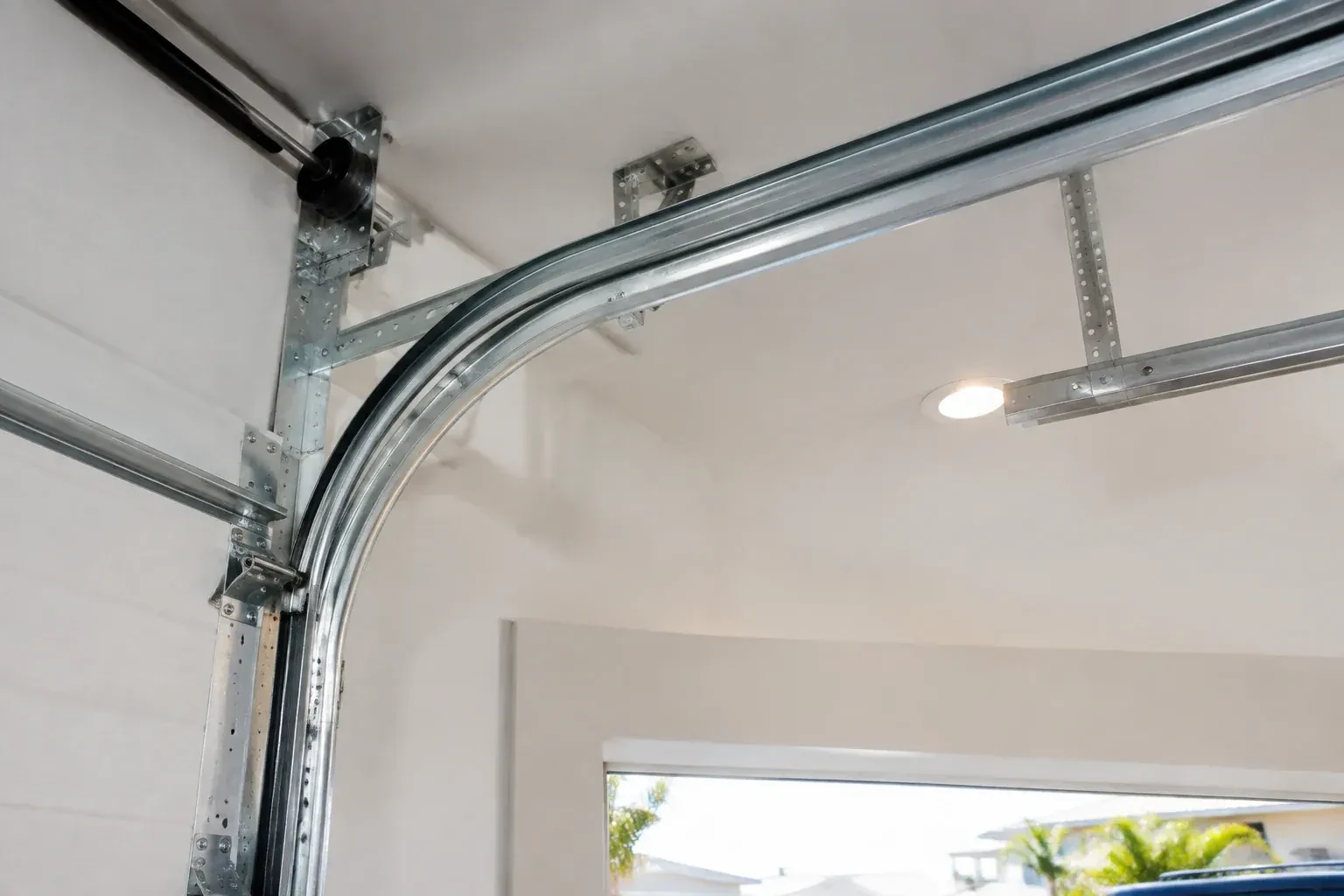
A door in York Mills that is lifting unevenly, dropping too far, screeching on the rails or refusing the remote is telling you which part is tired. Our services are grouped around those parts, springs and cables, tracks and rollers, openers and controls, so the fix is easy to identify.
About 58% of homes in Toronto were built in 1980 or earlier, according to the 2021 Census.
Older homes
Wiring in an older garage may be a single outlet on the ceiling shared with the light, so a new opener is chosen with that in mind, and a battery backup covers the door during a power cut. The technician looks at the outlet before recommending a unit.
Single-detached houses make up about 23% of homes in Toronto (2021 Census).
Where most residents live in attached homes, a technician's day includes coordinating with neighbours: parking the van without blocking a shared lane, keeping noisy work to reasonable hours, and finishing a door in one visit so the row is not disrupted twice.
Nothing on a garage door stores more energy than a wound spring. Handling it well means securing the door, releasing the tension in a controlled way, fitting the correct replacement and rewinding to the right count. This category is that work.
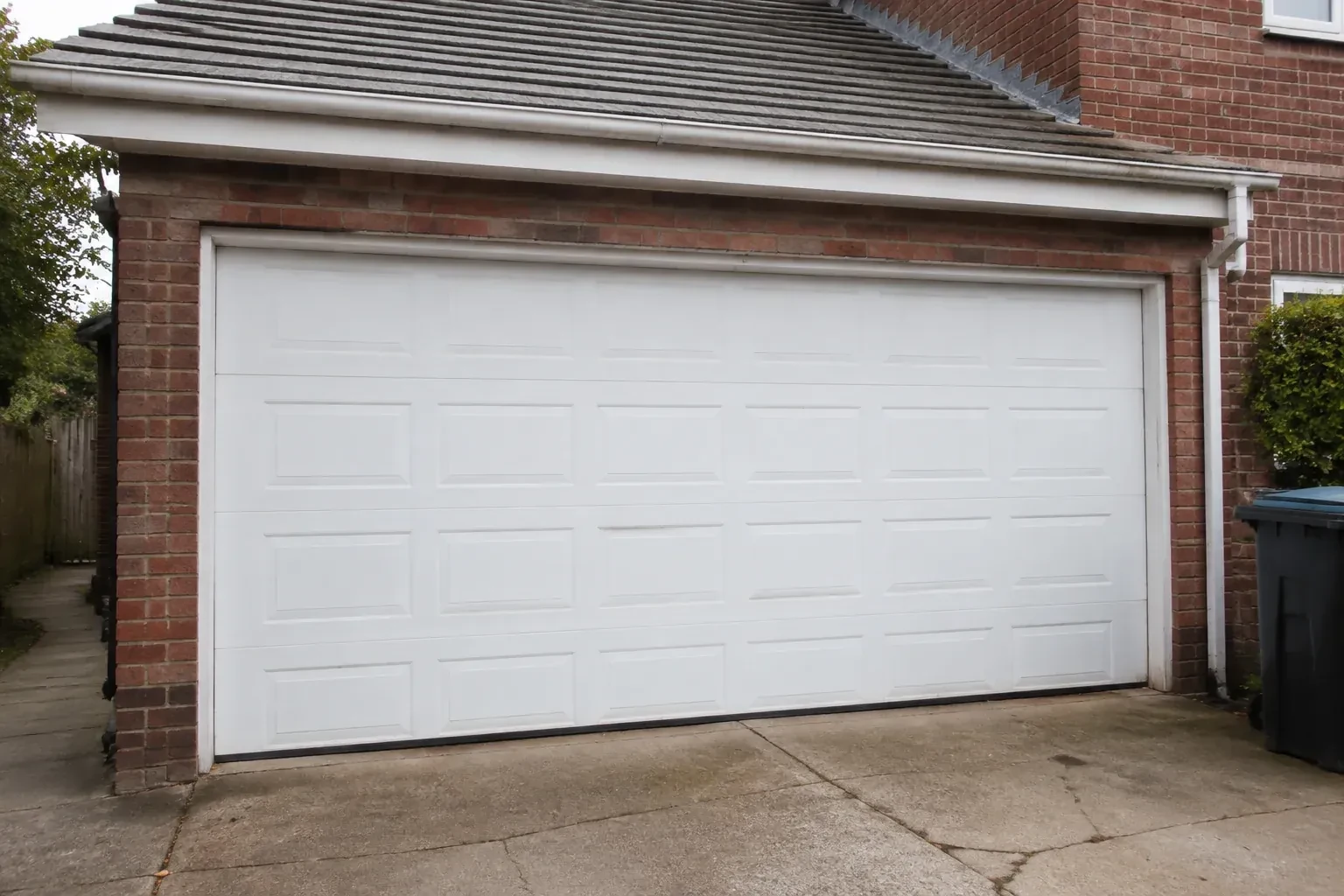
An older home with an original wood door often has an opening that is out of square. Fitting a new door into it well takes care with the jambs and the tracks, and that care is what makes the door seal and run straight.
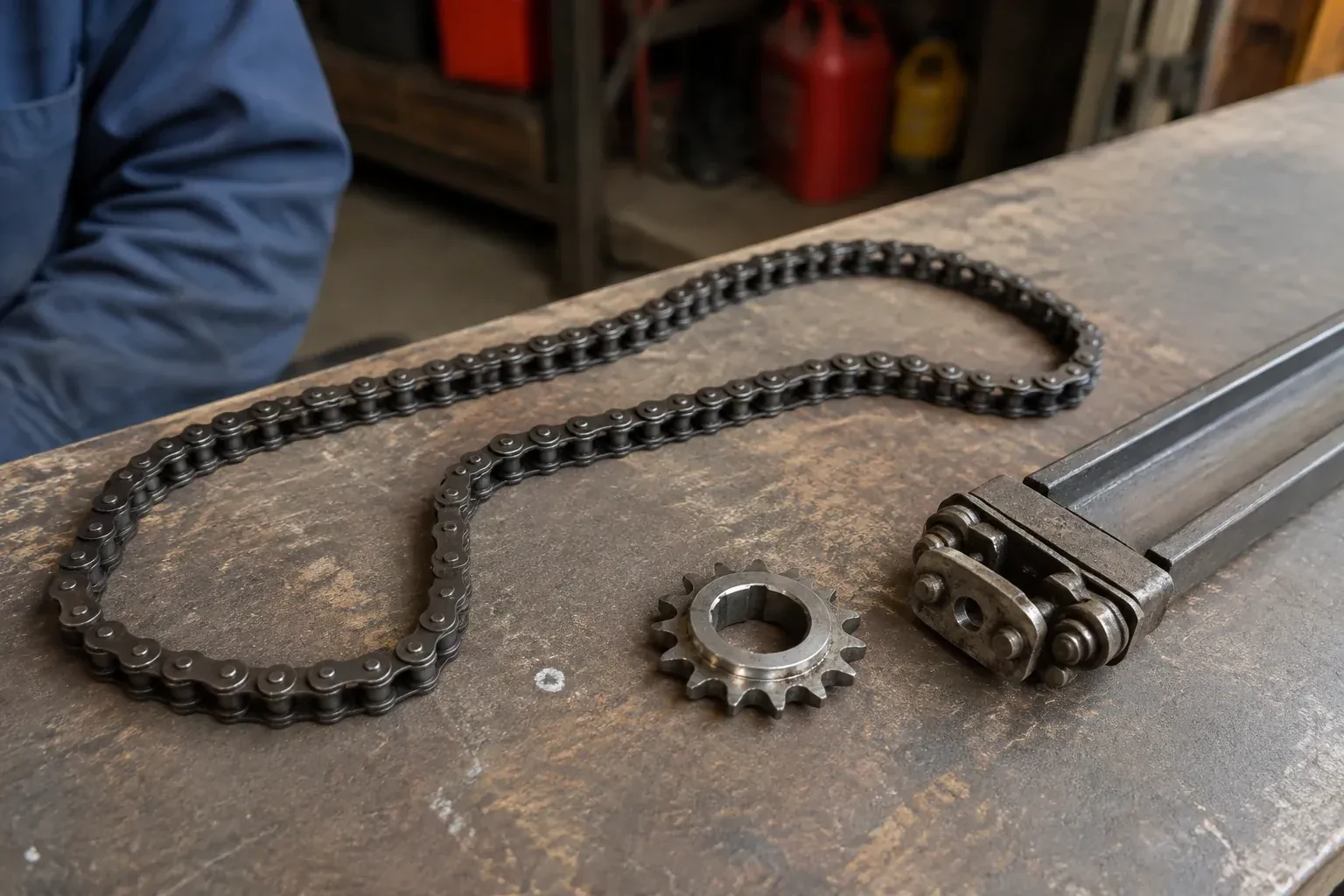
The rail shakes when the door runs. The steel straps holding it to the ceiling have worked loose, the chain rattles the length of the garage, and a bolt has already dropped onto the hood of the car.
The belt looks fine from a distance, but up close the rubber has cracked across the back in dozens of places and, in one spot, you can see the steel cords showing through.
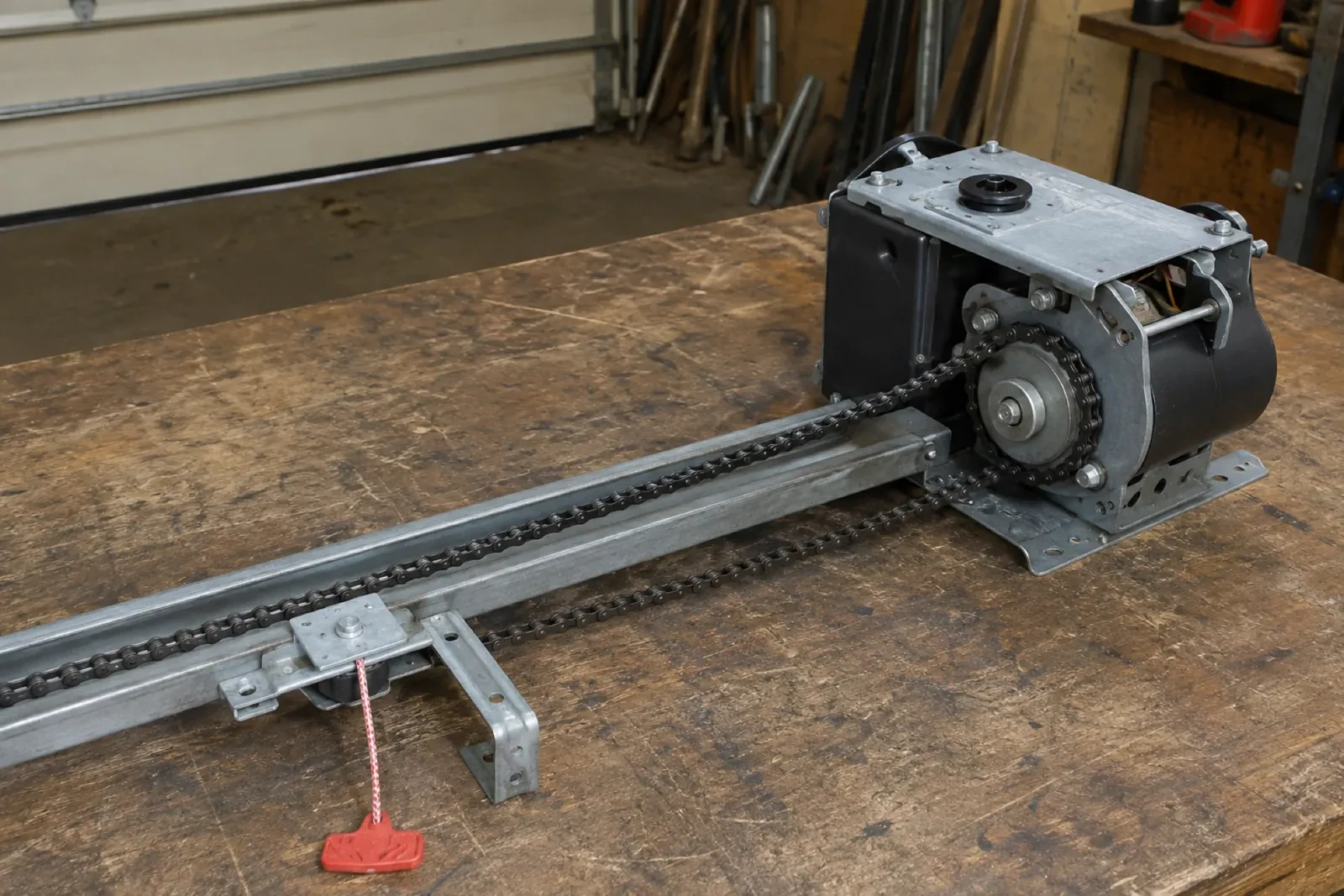
During the ice storm the power was off for two days. You came home in the dark, found the door dead, and had to climb out of the car to pull the red cord in the cold.
Someone backed the car in a little too far, a bin or a bicycle brushed the track, and since then the door starts to close and comes back up. One sensor now sits at a slightly different angle from the other.
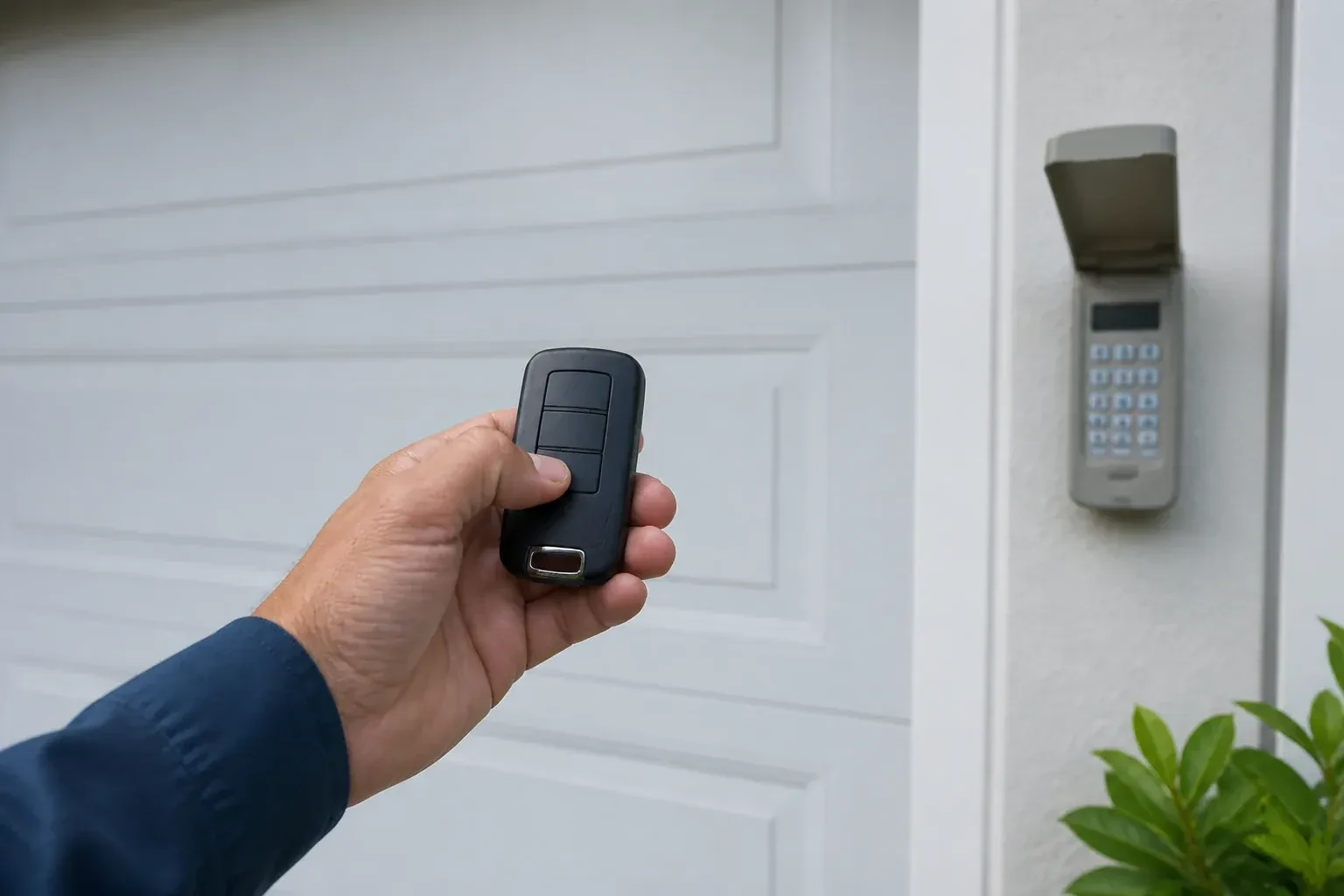
After the move, the previous owner's remotes are somewhere in another city and the keypad on the outside wall wants a code nobody wrote down. The wall button works.
Your daughter gets home from school an hour before anyone else. She has lost two house keys this year, and the garage keypad code has been shared with half her class.
After a week of lifting the door by hand you pressed the button, hoping it would catch. Instead the motor grinds, the trolley thumps against the end of the rail, and the little lever that should snap back stays stubbornly upright.
Which fix fits?
Backing out in a hurry, the bumper tapped the bottom section.
WhyTrade guidance treats a garage door as a system: sections, hinges, rollers, tracks, cables, springs and opener all depend on one another, and an impact on one section rarely stops there.
WhyWhen you move into a house, or a remote goes missing, the question is who else can open the door.
The house came with a controller already screwed to the garage ceiling and a sensor on the door, but the app insists the device belongs to another account.
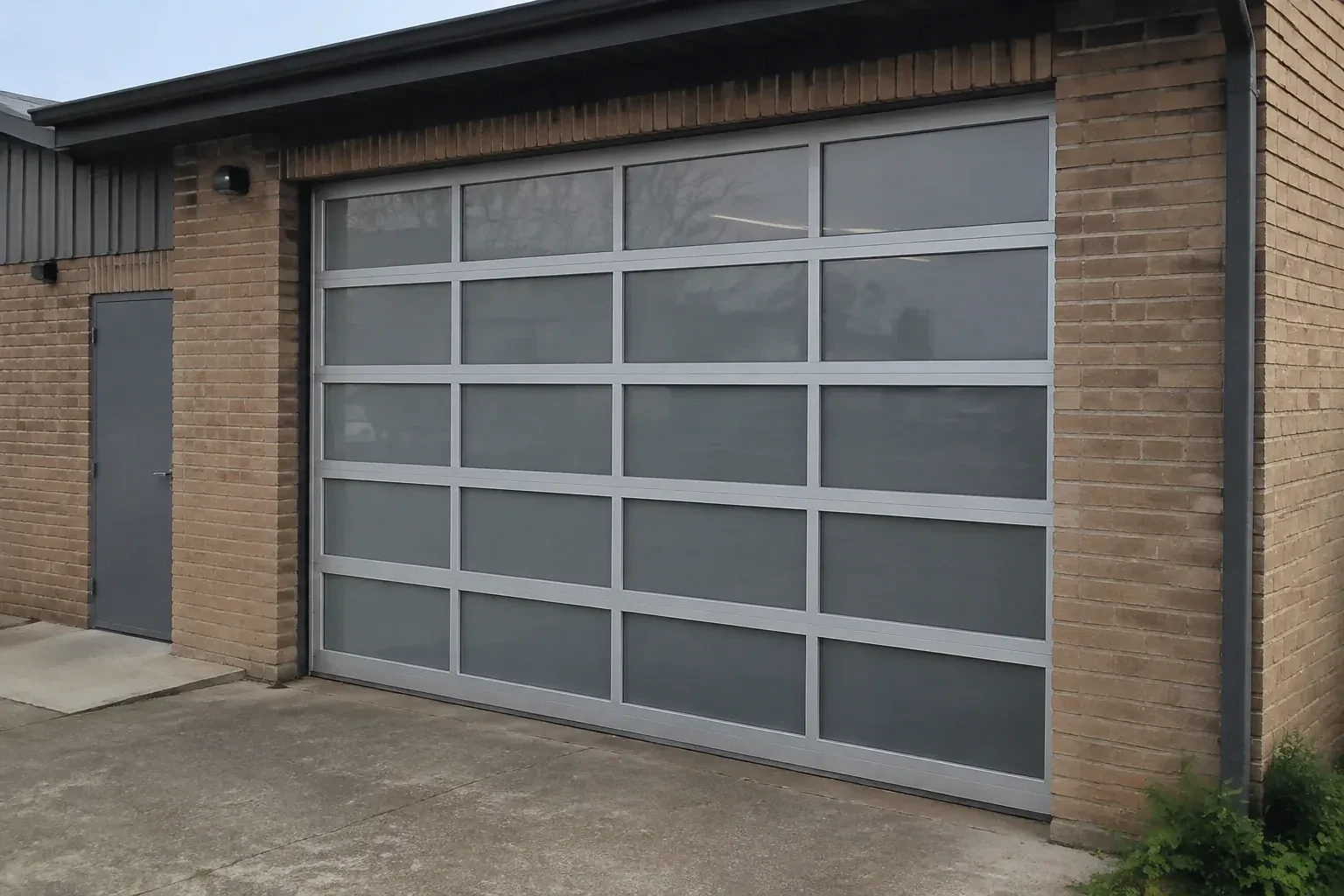
WhyA glazed door can weigh and flex differently from the solid door it replaces, so the supporting hardware deserves equal attention.
An entrance. Not an afterthought.
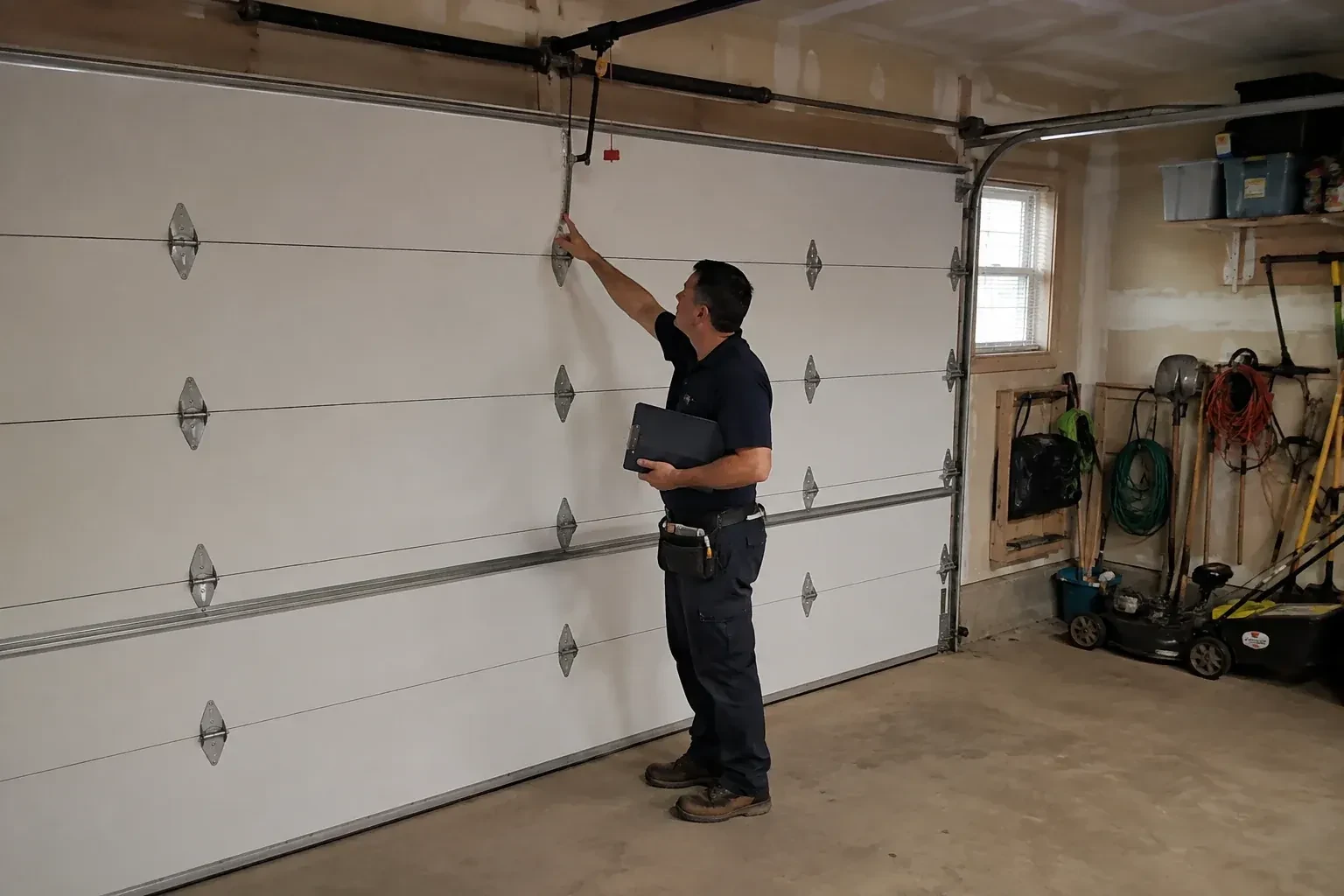
1/10Garage Door Safety Inspection
Backing out in a hurry, the bumper tapped the bottom section. The dent is small and the door still runs, but it seems to shudder now at the point where the panel meets the track.
The door came down fine but with a scraping noise, and now the vertical track on one side is bowed away from the wall. Two screws have pulled out of the wood and the roller nearest the floor has no rail around it.
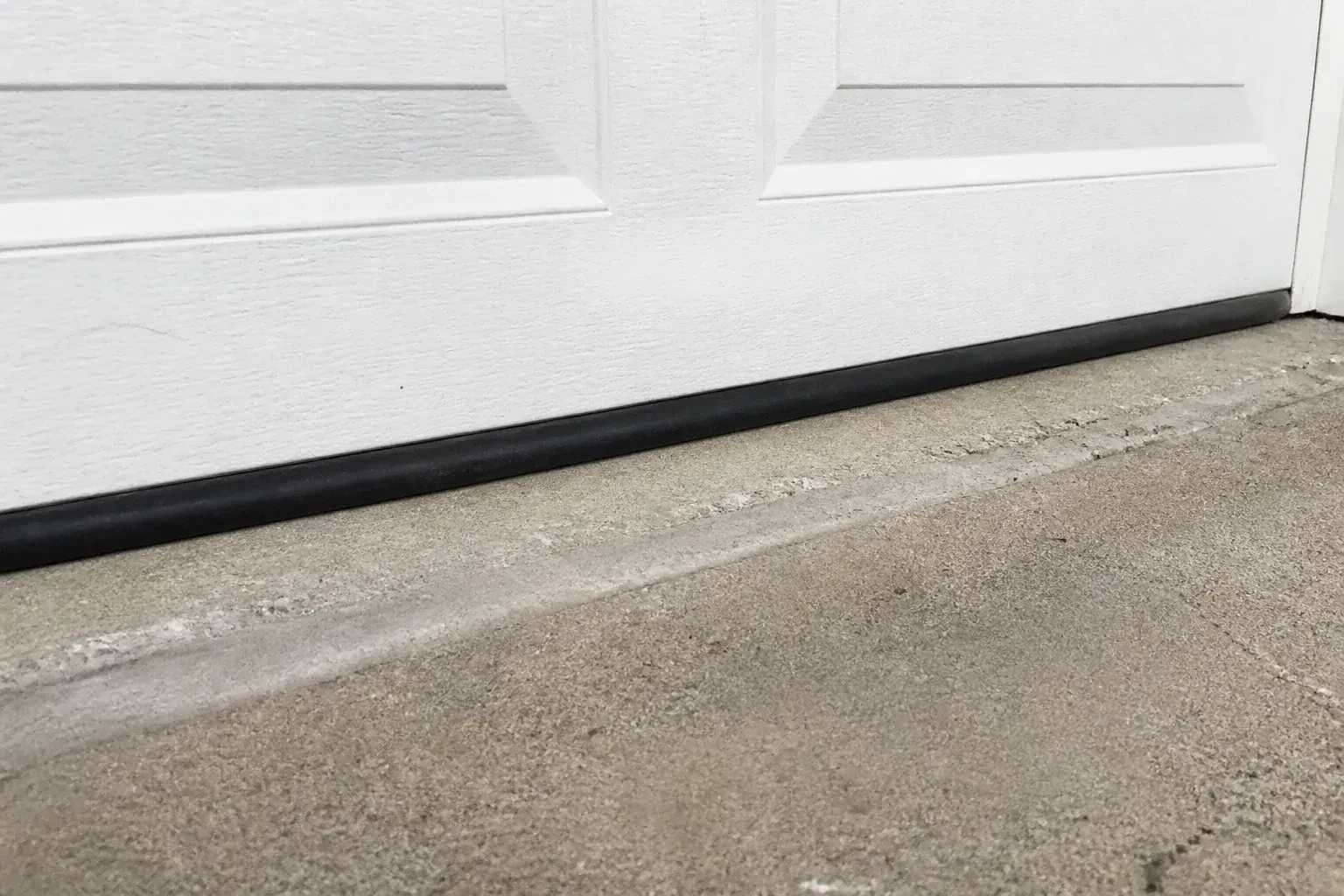
Rust has crept along the bottom edge of the lowest section. What began as bubbling paint is now a soft, flaking strip, the seal retainer is working loose, and a screwdriver pressed against the worst spot goes through the steel.
The car nudged the door on the way in. There is a dent low on one end, and above it the hinge that carries the roller is bent so the panel edges rub together and squeal as the door lifts.
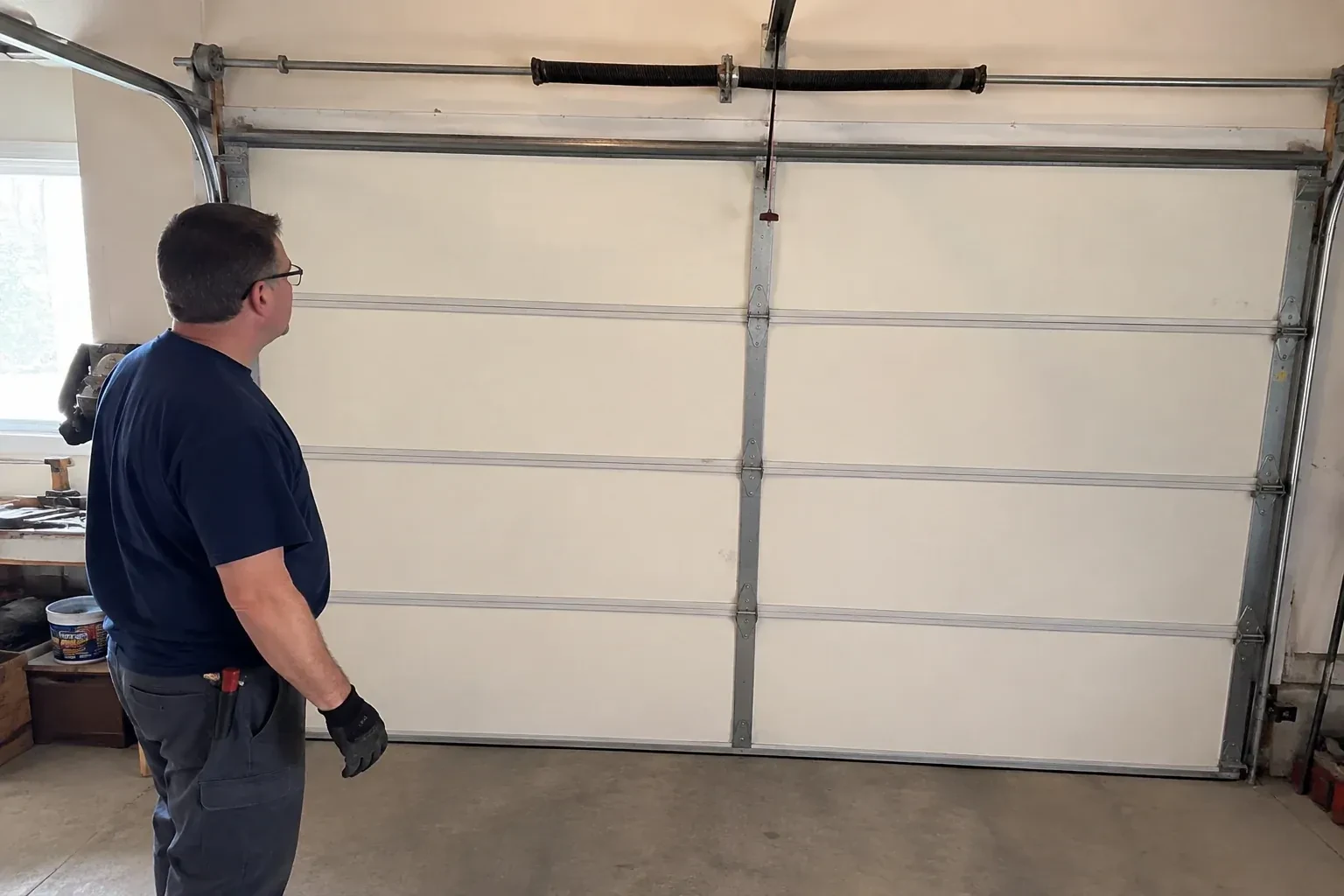
The door drops the last stretch to the floor rather than settling, and when you stop it halfway by hand it slides down instead of staying put. Balance has drifted, and the spring is no longer holding its share of the weight.
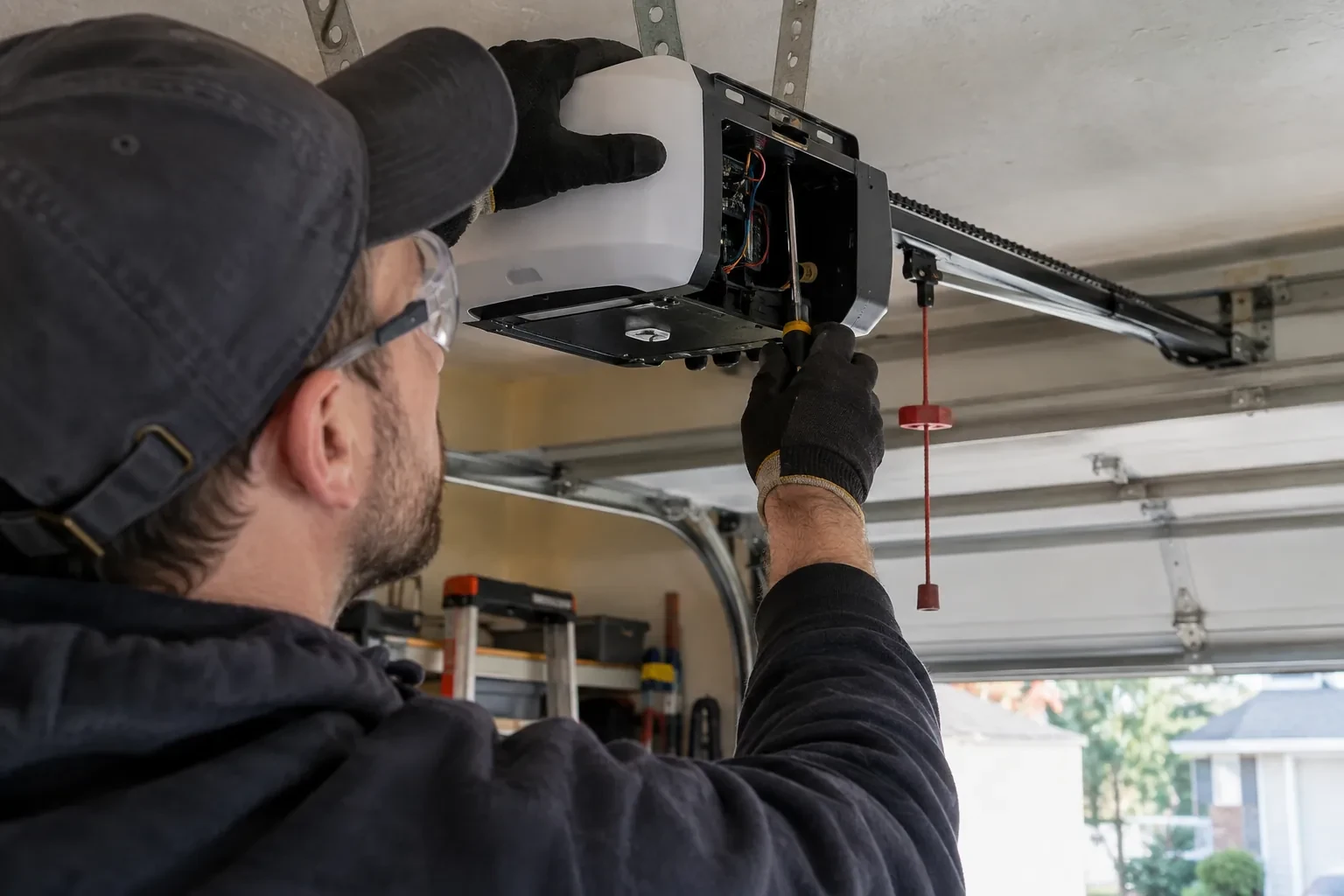
The opener has started to groan on the way up. The door climbs slowly, hesitates near the top, and on the way down it sometimes stops a hand's width above the floor and reverses, as if something were in the way when nothing is.
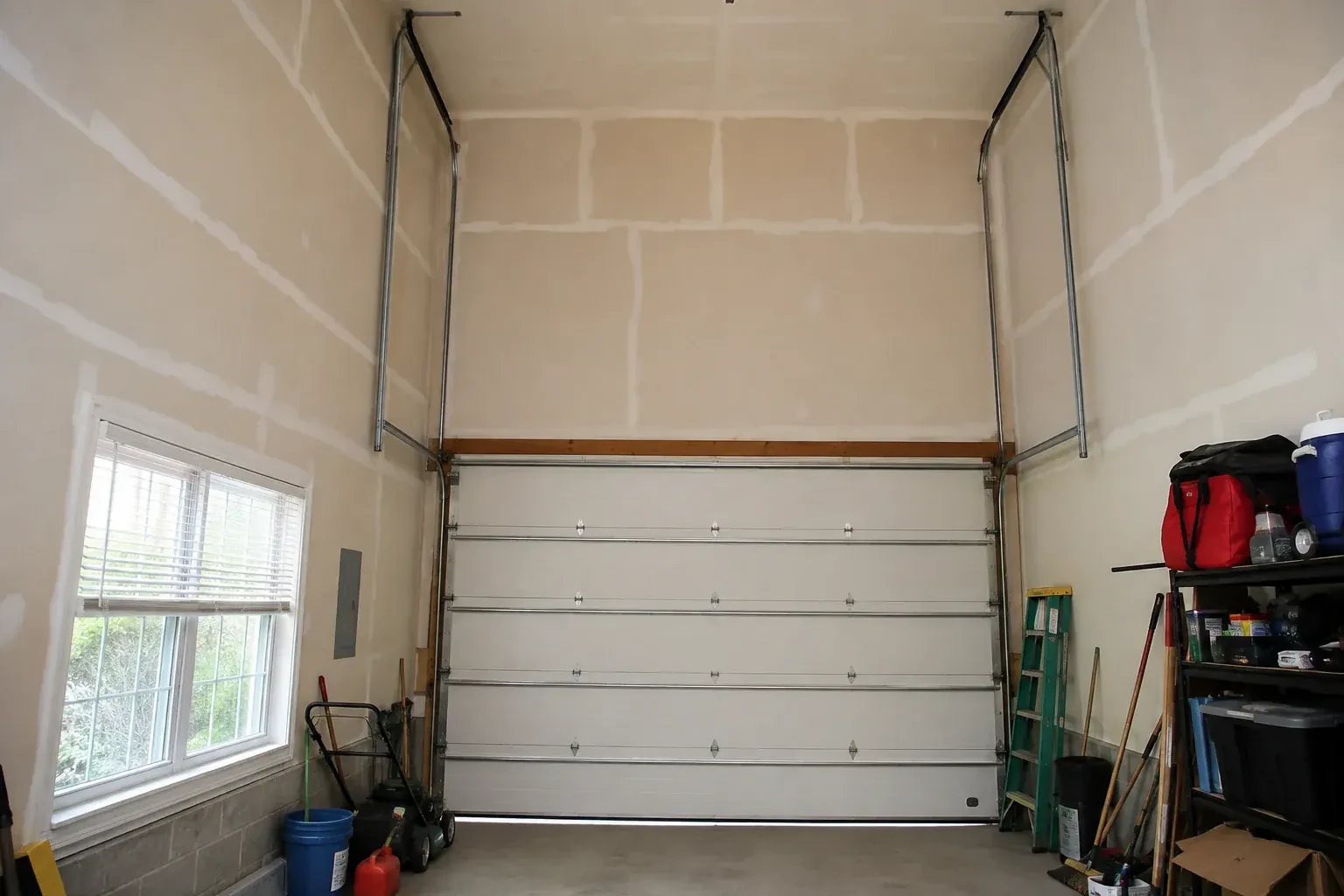
You want the ceiling back. A storage loft, a vehicle lift or kayak racks would fit if the long rail and motor box were not hanging in the middle of the garage, and the low ceiling of an older house leaves little room for the standard rail anyway.
The new car has three buttons in the mirror for garage doors. You held the old remote up to it as the manual said, the light in the car changed, and yet the door ignores it completely. The handheld remote works fine.
The house came with a controller already screwed to the garage ceiling and a sensor on the door, but the app insists the device belongs to another account. The seller has moved provinces, the emails go unanswered, and every evening the door still reports to a stranger's phone.
The ceiling has bulkheads, lighting and an opener competing for space above the opening. Before ordering a glazed door, you need to know which track arrangement will travel cleanly through that limited headroom.
Should I have the door inspected when buying a house?
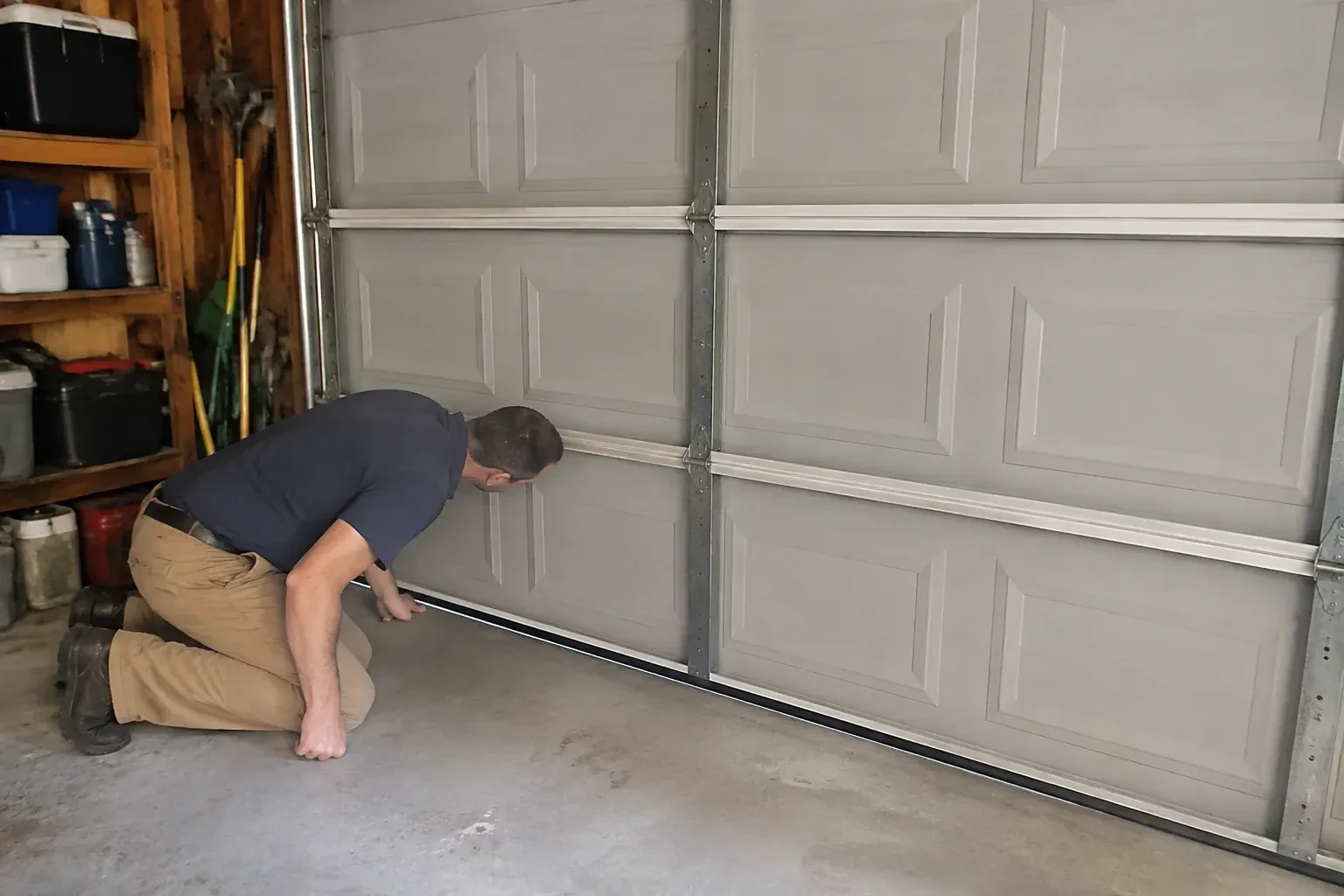
It answers the questions a home inspection leaves open. A general inspector confirms the door opens and closes; a door technician records the make and age of the hardware, how much life the springs and cables appear to have, whether the safety devices pass, and what to budget for. For a seller, the same report settles a buyer's questions before they are asked and shows the door was cared for.
How is a reset different from a track repair?
In a reset the rail is sound and the work is putting rollers, cables and sections back where that rail expects them, with minor alignment corrections. In a track repair the rail itself is the problem and must be straightened, re-hung or partly replaced first. One visit can include both, and the technician tells you which you need after looking at the door rather than guessing from the description.
What is a strut, and does a new section need one?
A strut is a horizontal steel stiffener fastened across the inside of a section to keep it from bowing. Wide doors, top sections where the opener arm pulls, and bottom sections that take knocks are the usual places for them. If your damaged section had a strut, the new one gets a straight strut refitted or replaced. If a top section bowed because it never had one, adding a strut is part of putting it right.
The screws spin in their holes. Can the hinge still be fitted securely?
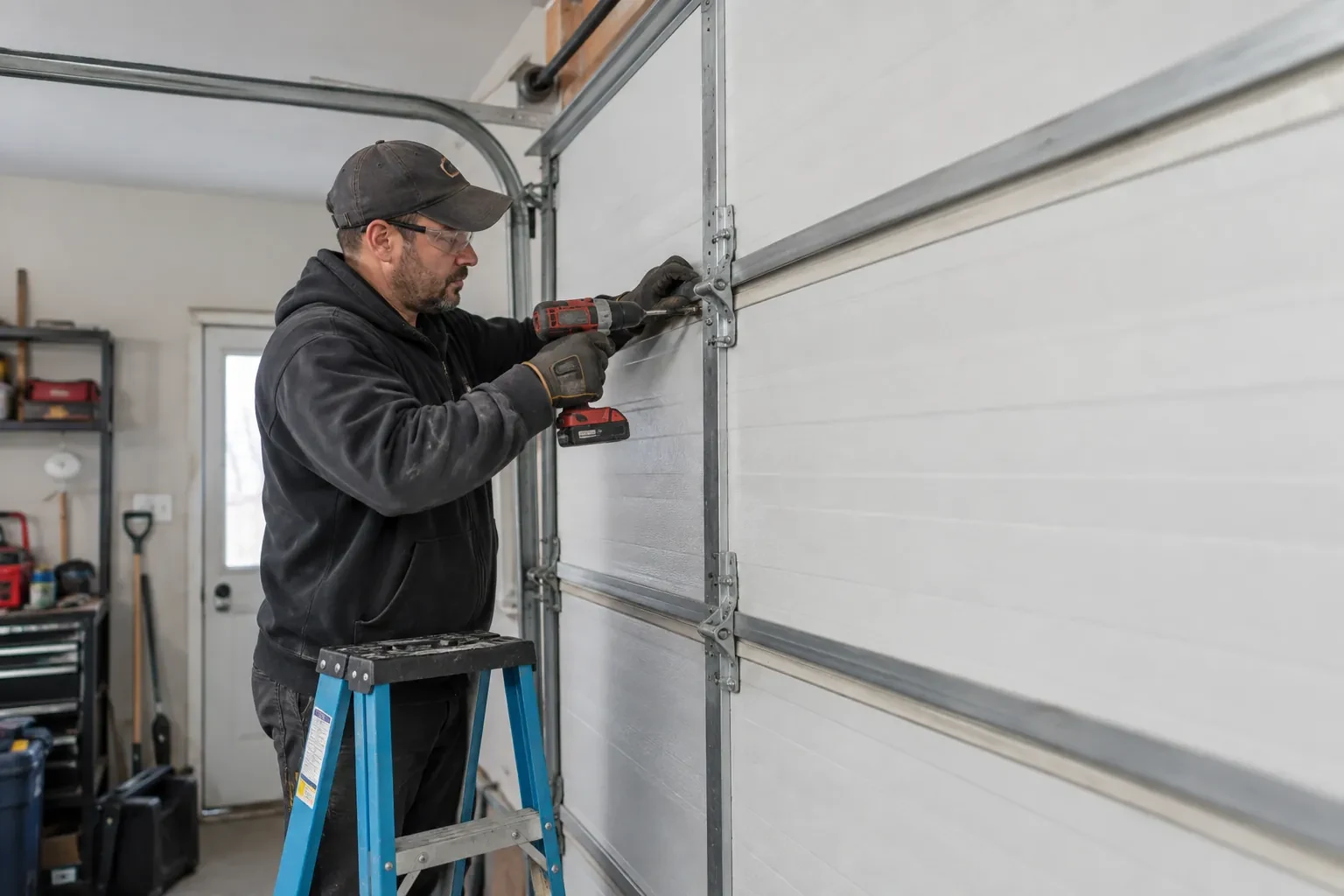
Yes. A stripped hole is common on older steel doors and on wood doors where the timber has softened. The technician either shifts the hinge to fresh metal within the stile, uses a larger self-drilling screw that cuts new threads, or drills through and fits a bolt with a nut and washer or a backer plate on the inside. Any of these gives the new hinge a firmer anchor than the original screws had.
How long does a torsion spring replacement take?
Most residential replacements are completed in one visit. Securing the door, measuring, removing the old spring, fitting and winding the new one, balancing and testing the opener typically takes an hour or two, longer if bearings, cables or a bent top section are also being dealt with. The technician confirms the scope after the first checks, so you know what the visit involves before the work starts.
The door was fine until a power cut. Why is it heavy now?
During a power cut the door is often released and moved by hand for the first time in years, and what people discover is a door that had already grown heavy while the opener quietly covered for it. The outage did not change the springs; it revealed them. A balance check confirms what the door weighs against what the springs give, and resets them to match.
Will the buttons built into my car work with the new opener?
Nearly always, yes. The in-car transmitter is taught to the new operator using the learn button on the head unit, much like a handheld remote. Some older vehicles predate the newest rolling-code systems and pair through a small repeater or bridge that the technician can supply. Bring the car into the driveway on installation day so it can be programmed and tested before the technician leaves.
Why does my remote work only when I am right under the door?
Short range is a signal problem, not a pairing problem. LED bulbs in the opener's own sockets can emit radio noise that swamps the receiver, an antenna wire tucked into the housing cannot hear well, and a coin cell near the end of its life transmits weakly before it dies. Swapping the bulb, letting the antenna hang free and fitting a fresh cell usually restore range; if not, the receiver is checked.
Why does the door beep and flash before it closes from the app?
Because someone closing a door they cannot see needs to give anyone near it a warning. The operator standard for garage door openers requires an audible alarm and a flashing light for several seconds before a door moves on an unattended command, along with working photo eyes. The beeper and light are built into the controller for that reason, and they are tested during setup so you have heard them yourself.
Can a full-view door fit a low ceiling?
A low ceiling may suit a low-headroom track arrangement, but the decision depends on measured space above and behind the opening. Beams, bulkheads, lights, ducts, storage and opener hardware are mapped together. The selected sections also need the correct top-fixture geometry and travel path, so feasibility is established from the complete room rather than ceiling height alone.
Request a visit
Our technicians in York Mills carry the winding bars, clamps, stands and gauges the work needs and use them every time, on every door. Spring sizes are measured, not guessed; cable lengths are matched to the drums; opener force is set with the door balanced. The result is a door that behaves.